

We live in a world that celebrates speed.
Fast responses, fast growth, fast success, fast lifestyles. Somewhere along the way, slowing down began to feel unproductive — almost guilty. We glorify being busy, constantly connected, and endlessly available, often without realising how disconnected we’ve become from ourselves. Perhaps this is why mindful living has become so meaningful today – a reminder to slow down, be present, and reconnect with what truly matters.
Lately, however, I’ve been discovering something different: the quiet power of pause. Not a pause to escape life, but a pause to return to it more fully.
Over time, I’ve realised that some of the most meaningful moments are often the simplest ones — the ones that ask nothing from us except presence. This is at the heart of mindful living — creating space to experience life rather than constantly rushing through it.
A slow walk in nature that clears mental clutter.
Reading a few pages that quietly expand perspective.
Moments of silence that calm the noise within.
Time spent in water that feels cleansing beyond the physical.
A simple meal shared with family that grounds you.
Laughter and conversations with close friends that remind you you’re held, understood, and never truly alone.
These pauses may seem small from the outside, but internally they create space — space to breathe, reflect, process, and reconnect. They are small acts of mindful living that help us return to what truly matters.
Quick Summary
In a world that constantly celebrates speed and productivity, the power of pause offers a way to reconnect with ourselves. This article explores how slowing down, embracing stillness, and creating intentional moments can support mindful living, emotional balance, and deeper awareness. Through simple everyday pauses, we can move away from autopilot and rediscover presence, clarity, and a more meaningful way of living.
You may like:
- Healing After Loss: Renowned Grief Therapist on Overcoming Grief and Finding Purpose
- A Mother’s Unwavering Journey of Hope and Love: Nurturing a Child with Special Needs
- Choose the Perfect Pair of Jeans: Defy Conventional Fashion Rules and Rock Your Denim
The Pause as a Form of Self-Restoration
In many ways, slowing down has become a form of self-restoration.
We often think recharge comes from grand escapes, expensive retreats, or dramatic lifestyle changes. But sometimes, restoration arrives quietly. In stillness. In intentional moments. In doing less. These moments often become the foundation of mindful living.


Modern research around mindfulness and stress management increasingly highlights the importance of moments of intentional rest. Even brief periods of mindful awareness can help shift the body away from a constant state of alertness and towards a calmer, more balanced state. And perhaps that is what makes pauses so powerful: they bring us back to ourselves at our own pace.
In a culture obsessed with productivity, choosing to pause can feel unfamiliar. Yet the human mind and body were never designed to function in constant acceleration. Without pauses, we begin operating on autopilot — reacting instead of responding, existing instead of experiencing.
When we are constantly rushing, we often lose the ability to notice what is happening within us. We may ignore tiredness, emotional needs, changing priorities, or even simple moments of joy because we are too focused on reaching the next destination.
Pausing allows us to notice life again.
To feel sunlight instead of rushing past it.
To truly listen during conversations.
To eat without distraction.
To breathe deeply instead of shallowly surviving the day.
These simple choices reflect the essence of mindful living — being fully present with ourselves and the world around us.
Why Doing Less Can Give Us More
Ironically, doing “nothing” often gives us the most – Clarity. Calm. Creativity. Emotional balance. Perspective.
The power of pause is something we can recognise even from the earliest stages of life. In her NAEYC article/chapter “The Power of Pause: Moments of Silence and Early Emotional and Language Development,” Nodelyn Abayan reflects on how moments of quiet presence can create space for children to process emotions, communicate, and feel understood. Her observations remind us that sometimes connection does not come from doing more, but from simply being present.
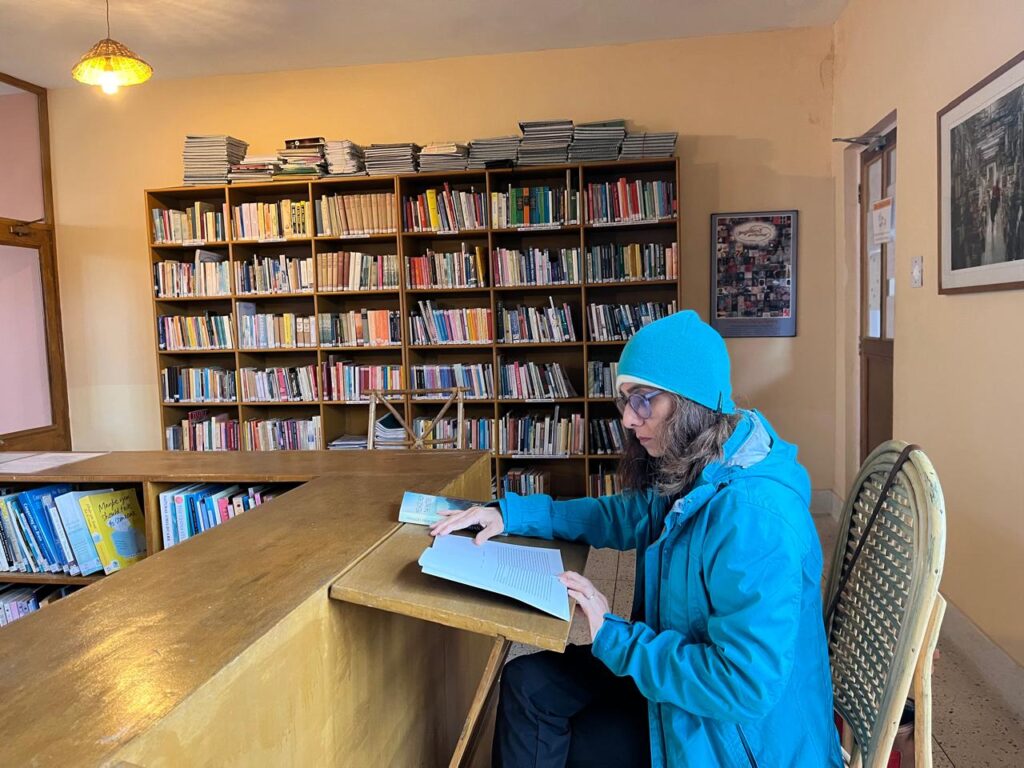
Perhaps the same is true for us as adults. When we constantly rush to fill every quiet moment, we miss the opportunity to listen — to others, to our emotions, and to ourselves.
The pause becomes less about stopping and more about reconnecting — with people, with the present moment, and with ourselves. This is where mindful living moves beyond a practice and becomes a way of approaching everyday life.
There Is No One-Size-Fits-All Pause
Of course, not every pause looks the same.
The kind of pause we need is often deeply personal and highly situational. What restores one person may not work for another. Even for the same individual, the pause they need today may be very different from what they needed a month ago.
Sometimes the mind craves solitude and silence. At other times, it seeks connection, conversation, and the comfort of familiar company. There are moments when a long walk in nature feels healing, and others when all we need is to sit quietly with a cup of tea, a good book, or simply our own thoughts.
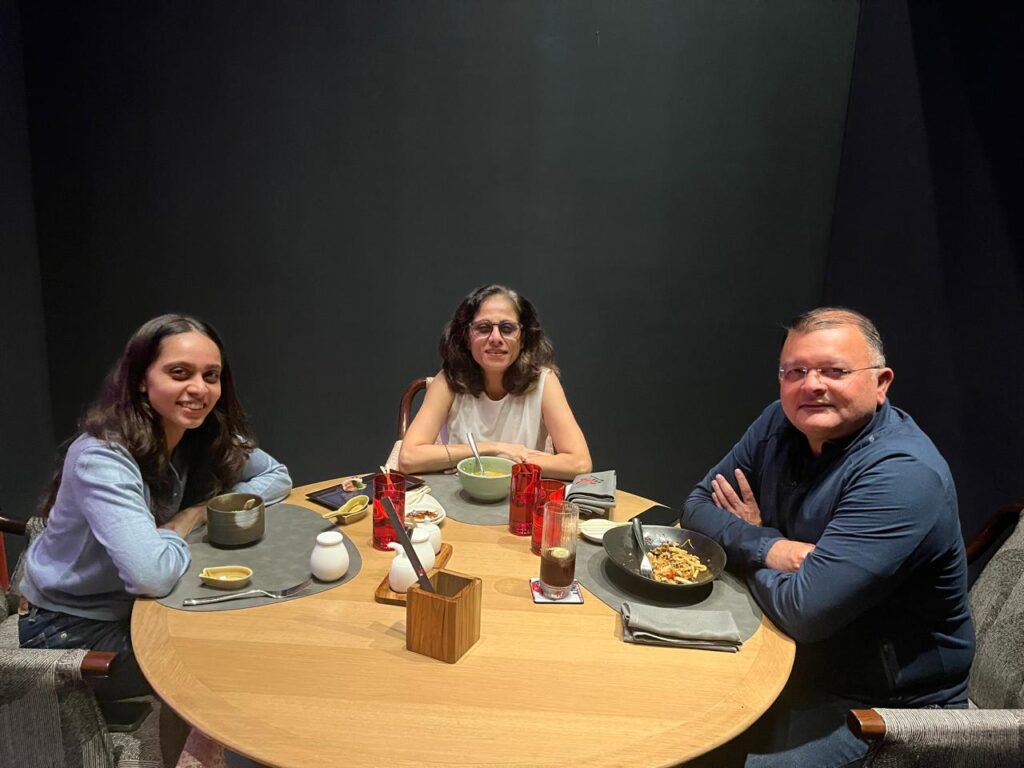

This is why wellness cannot always be reduced to a checklist of habits or routines. A practice that feels nourishing to one person may feel like another obligation to someone else. True wellbeing begins with awareness — understanding what your mind, body, and emotions are asking for in that moment. Mindful living begins with this awareness — the ability to recognise what we truly need.
Our need for pause is influenced by our mindset, emotions, energy levels, life stage, and even our surroundings. The key is not to follow someone else’s wellness ritual, but to listen carefully to what your own mind and body are asking for.
Perhaps true self-care begins with that simple question: “What do I need right now?”
When we learn to tune into those signals and move in that direction, our pauses become more meaningful, restorative, and authentic. Instead of treating rest as something we earn only after exhaustion, we begin to see it as an essential part of living well — a core part of mindful living.
Creating Small Moments of Pause Every Day
A meaningful pause does not always require a major lifestyle change. Often, it can be created through small everyday choices:
- Taking a few quiet minutes before reaching for your phone in the morning.
- Stepping outside for fresh air between tasks.
- Listening to music without multitasking.
- Enjoying a meal slowly instead of eating while distracted.
- Writing down thoughts that have been occupying your mind.
- Allowing yourself moments of stillness without feeling the need to be productive.
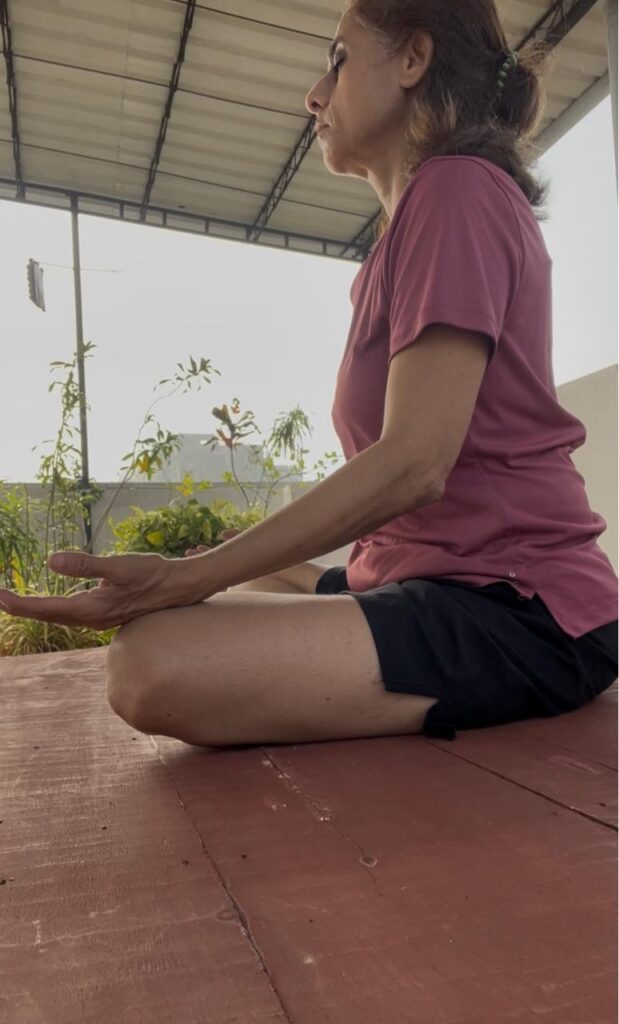
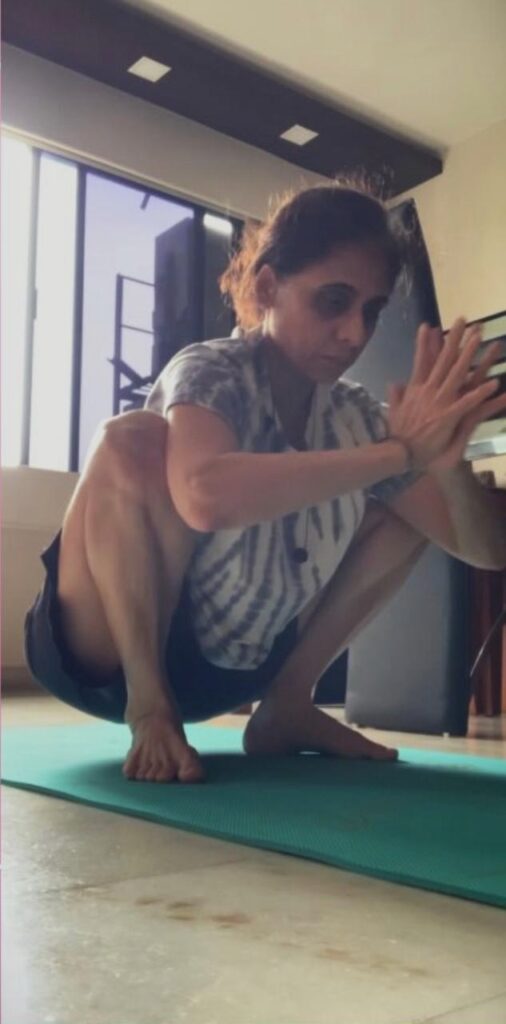
These small pauses may seem insignificant, but over time they create a different relationship with life — one that is more intentional, aware, and connected. They are everyday expressions of mindful living.
Maybe wellness is not always about adding more rituals, more routines, or more optimisation into our lives. Maybe sometimes wellness begins with simply slowing down enough to hear ourselves again.
And perhaps the real luxury today is not speed, but presence.
The Art of Knowing When to Pause
So, the next time life feels overwhelming, resist the urge to simply push harder. Pause. Listen. Notice what your mind and body are craving.
Maybe it’s movement.
Maybe it’s stillness.
Maybe it’s nature, friendship, water, silence, music, journaling or simply a moment alone.
There is no universal formula for restoration. The right pause is the one that helps you reconnect with yourself — a true essence of mindful living. And perhaps that’s the real art of living well — not doing more, but knowing when to stop, listen, and honour what you truly need.
The content belongs to Kavita Mathur . Reproduction is prohibited. Used on this website by permission from the author.
Author
Social
Other
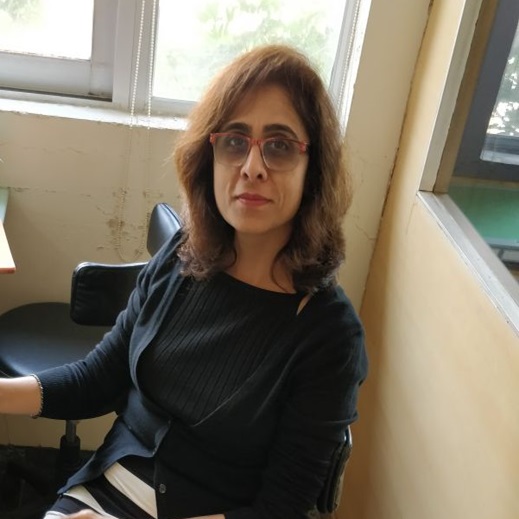
Kavita Mathur
Kavita Mathur is the Founder and Director of Wellness Associates, a company that offers cutting-edge employee wellness solutions to industry giants like Unilever, Standard Chartered Bank, Johnson & Johnson, L’Oréal, Verizon Data, and others. In 2018, Wellness Associates was recognized as one of the Top 50 Wellness Companies by the World Health & Wellness Congress at World HRD. Today, under the leadership of Kavita, Wellness Associates has expanded with two additional business verticals, Acefit and KRS Associates, and continues to thrive.
An accomplished businesswoman, Kavita has dedicated over two decades to the pursuit of wellness and fitness, both personally and for the corporate world. Her passion for fitness and wellness has been a driving force throughout her life, from her early training as a classical and folk dancer to her role as the head of Mumbai’s largest Talwalkar’s Fitness Club branch. Currently, she leads her team at Wellness Associates while exploring the country’s most captivating corners, discovering holistic well-being and spirituality through her travels.