
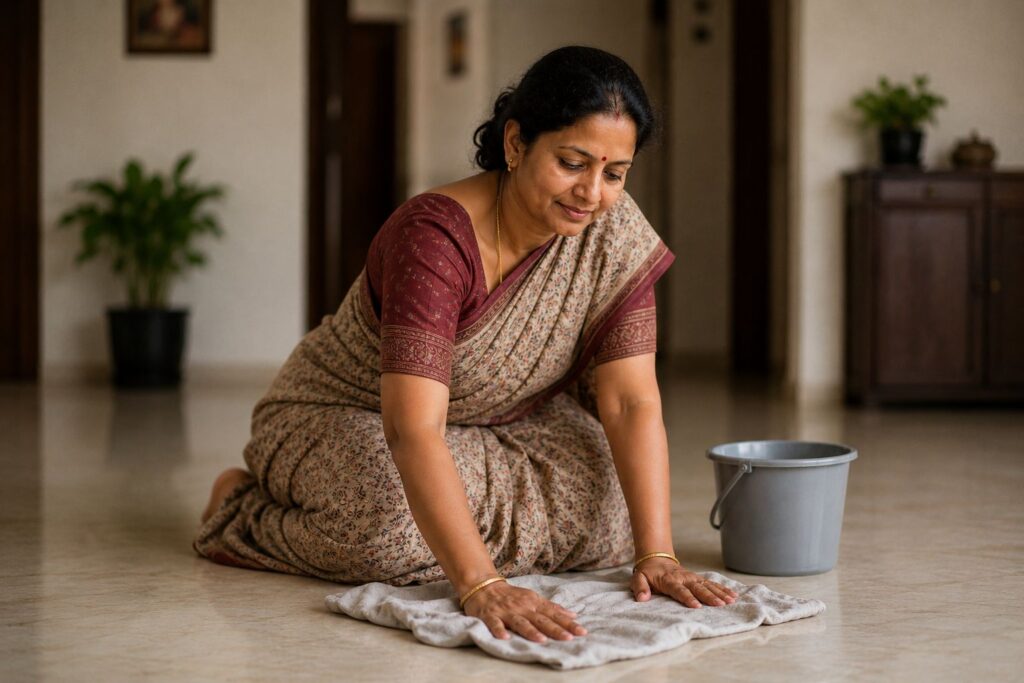
There was a time when movement was simply part of living.
No fitness trackers.
No step goals.
No dedicated workout slots carved into the day.
And yet, people moved-constantly, instinctively, and often without thinking about it. They swept floors, mopped courtyards, hand-washed clothes, climbed stairs, carried groceries, sat on the floor, and got back up again. Their days were punctuated by countless small movements that kept the body active, agile, and remarkably capable. This kind of daily movement was not viewed as fitness, but it quietly supported strength, flexibility, and endurance.
Today, movement has become something we schedule. We drive more, sit longer, outsource chores, and often attempt to “make up” for inactive days through a one-hour workout. While structured exercise certainly has its place, there is growing recognition that what our bodies need—especially as we grow older—is not just intense activity, but consistent, natural movement woven into everyday life. In many ways, restoring daily movement may be one of the simplest and most sustainable approaches to staying healthy.
Perhaps, in our pursuit of fitness, we have forgotten one of the simplest truths: the body was designed to move.
You may like:
- Blue Zones Secrets: Simple Everyday Habits for a Longer, Healthier, Happier Life
- Midlife Trek to Kailash Mansarovar: A Woman’s Journey of Grit and Self-Discovery
- 6 Relaxing Mobile Games Women Are Loving for Calm, Focus, and Mental Wellness
Quick Summary
In many traditional Indian households, fitness was never separated from daily life. Sweeping, mopping, carrying groceries, climbing stairs, and sitting on the floor naturally kept the body active and resilient. This article explores how consistent daily movement supported strength, flexibility, and mobility-and why returning to these simple habits may offer a more sustainable way to stay active and independent as we grow older.
What Is Natural Movement?
Natural movement refers to the fundamental ways the human body was meant to move—walking, bending, squatting, reaching, lifting, carrying, balancing, climbing, and transitioning smoothly between positions.
These are not gym exercises. They are life skills.
They support the kind of strength and mobility that matter most in everyday living: being able to bend down comfortably, carry shopping bags with ease, climb stairs confidently, or get up from the floor without support. Much of this comes from consistent daily movement, rather than occasional bursts of exercise.
Unlike repetitive gym routines that often isolate specific muscles, natural movement engages the body as a whole. It helps improve coordination, flexibility, joint health, posture, and functional strength-all essential for maintaining independence and vitality over time.
As the body advances in age, these capacities become even more valuable.
The Hidden Fitness of Indian Households
For many of us, especially those raised in Indian homes, natural movement is not a new concept-it is simply something we stopped noticing.
Think about the physicality embedded in everyday household routines.
Sweeping with long, deliberate strokes.
Mopping floors while bending and stretching.
Hand-washing clothes, scrubbing, rinsing, wringing.
Lifting heavy pots and containers.
Reaching for items stored on high shelves.
Carrying buckets, groceries, or laundry.
Sitting cross-legged on the floor and rising back up.

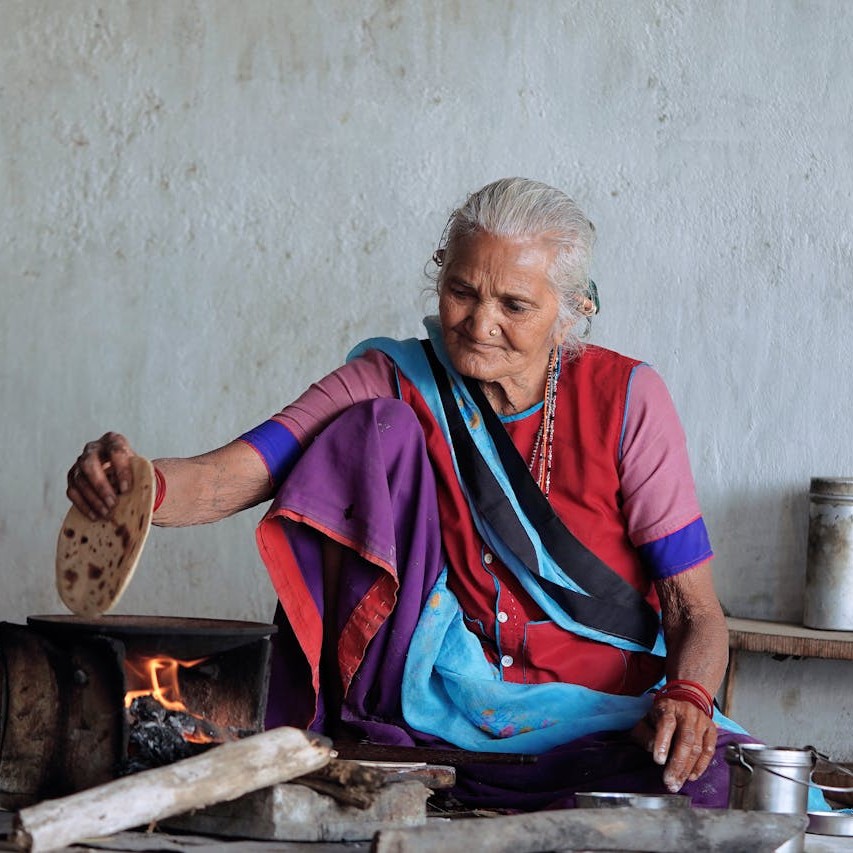
None of it was labelled “exercise.” And yet, these daily rituals demanded stamina, flexibility, balance, and strength. They were forms of daily movement naturally integrated into life rather than consciously performed as workouts.
They kept joints mobile. They encouraged deep squats and hip mobility. They challenged grip strength and upper-body endurance. They required the body to bend, twist, lift, and stabilize-movements that modern life increasingly minimizes.
In many ways, household chores were functional fitness long before the term existed.
Why Movement Matters More Than Intensity
As we grow older, conversations around fitness often focus on maintaining strength, preserving bone density, or preventing stiffness. These are important goals-but they do not always require high-impact workouts or complicated routines.
What the body often needs most is consistency. Frequent, gentle movement throughout the day can be just as transformative as a formal workout—sometimes more so. This kind of consistent daily movement helps the body remain active without placing excessive strain on joints and muscles.
Walking regularly.
Stretching while reaching for something.
Squatting instead of bending only at the waist.
Taking the stairs.
Sitting on the floor now and then.
Carrying your own bags.
Choosing to move instead of automate every task.

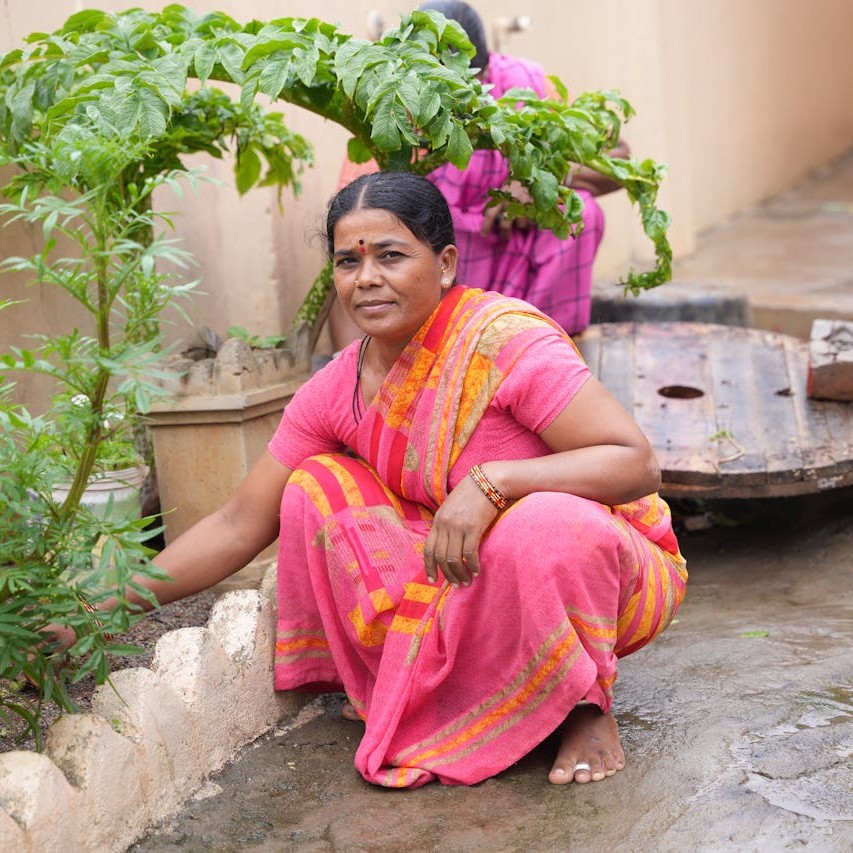
These seemingly small choices add up. They support circulation, maintain joint mobility, strengthen stabilizing muscles, improve balance, and help preserve the kind of physical confidence that allows us to move through life with ease. Natural movement reminds us that fitness does not always have to be measured in calories burned or hours spent at the gym. Sometimes, it is simply the ability to keep doing everyday things comfortably and independently through steady daily movement.
Relearning What the Body Already Knows
Modern conveniences have made life easier-and in many ways, better. But they have also reduced opportunities for movement.
Robot vacuums have replaced sweeping, laundry machines have eliminated scrubbing and lifting, elevators have replaced stairs and furniture have replaced floor-sitting. Comfort is valuable, yet complete convenience can unintentionally make the body less resilient by reducing opportunities for daily movement.
The good news is that natural movement can be reclaimed, gently and intentionally. It can begin with small shifts:
- Sit on the floor for a few minutes each day.
- Choose stairs when possible.
- Carry groceries instead of relying on delivery.
- Stretch and reach rather than asking for help immediately.
- Spend time gardening, tidying, or engaging in hands-on household tasks.
- Walk more—even for short distances.


Each of these habits encourages more daily movement, helping the body stay adaptable and active in a realistic, sustainable way. The goal is not to romanticize hard physical labour, nor to suggest that chores should replace all exercise. It is simply to remember that movement does not need to be separate from life. It can be integrated back into the day through mindful daily movement woven naturally into routines.
A More Sustainable Way to Stay Active
For many women, especially as priorities evolve and schedules shift, structured fitness can feel difficult to sustain. Natural movement offers something gentler and more forgiving.
It does not require special clothing, equipment, or memberships. Nor, does it demand perfection. It simply asks that we move -often, purposefully, naturally.
The inhabitants of blue zones across the world have incorporated daily movement seamlessly in their lifestyle – which is very often highlighted as one of the reasons for their longevity. Perhaps the strongest, healthiest generations were not those who exercised the hardest-but those who embraced daily movement as an inseparable part of living.
Their fitness was not performed. It was lived. And maybe that is the lesson worth returning to. Not necessarily to do more, but to move more. To bend, reach, carry, walk, lift, and stretch in ways that keep the body engaged and capable. To value daily movement not as a trend, but as a lifelong foundation for health and mobility and to trust that every small act of movement matters.
Because as we grow older, staying active is not only about building strength. It is about preserving freedom. And sometimes, the path back to that freedom begins with something as simple as picking up a broom, sitting on the floor, or choosing to take the long way home-small acts of daily movement that quietly support the body over time.
A Gentle Disclaimer: This article is intended for general awareness and does not replace professional medical advice. Always consult a qualified healthcare professional before making significant changes to your physical activity routine.