

A well-organised wardrobe is not just about tidy shelves or colour-coordinated hangers. It is about creating a system that supports your lifestyle, respects your clothes, and makes getting dressed feel effortless rather than overwhelming. Whether your wardrobe holds everyday essentials, special-occasion outfits, heirloom sarees, or statement accessories, thoughtful organisation can transform how you use and enjoy what you own.
This guide brings together globally recognised closet-organisation principles and adapts them for Indian wardrobes — where clothing, shoes, bags, and jewellery often require different kinds of care, and where the storage method plays a critical role in longevity and ease of use.
You may like:
- The Timeless Appeal of Chikankari: 3 Must-Have Brands for Women with Evolved Style
- Manju Ahluwalia -Turning Passion into Purpose: Manju’s Sustainable Fashion Odyssey
- 6 Relaxing Mobile Games Women Are Loving for Calm, Focus, and Mental Wellness
Quick Summary
This guide explores how to organise your wardrobe with intention, using practical storage methods that protect your clothes and simplify daily dressing. From everyday wear to sarees, shoes, bags, and accessories, it offers thoughtful solutions tailored to Indian wardrobes. The focus is on visibility, fabric care, and ease—helping you create a calm, functional space where everything is stored with purpose and lasts longer.
Start With a Clean Slate
Before adding organisers or storage solutions, empty your wardrobe completely. This step gives you a clear view of what you actually own and use, and helps you reassess whether your current storage method still serves your lifestyle. As you sort, separate items you wear regularly from those you no longer reach for. Clothes that no longer fit your lifestyle, body, or climate can be donated, altered, or archived elsewhere.
A useful mindset here is intention over volume. A wardrobe that is edited with care feels calmer and is easier to maintain than one that is simply full.
Categorise First, Then Refine
Begin by grouping clothing into broad categories — sarees, kurtas and suits, dresses, shirts and tops, trousers and jeans, casual wear, and innerwear. Once these groups are defined, refine them further based on fabric, frequency of wear, or occasion, and assign a storage method that aligns with each group’s needs.
For Indian wardrobes, this step is especially important. Separating everyday cottons from delicate silks or heavily embellished pieces allows you to store each category in a way that preserves its quality. Festive wear, bridal outfits, and special-occasion garments should always be stored separately from daily wear to avoid unnecessary handling.
Choose the Right Storage Method
Not all garments benefit from the same storage method. How you store your clothes affects not only how your wardrobe looks, but also how long your garments last and how easily you can reach for them.
Some pieces hold their shape better when hung, while others need the support of folding. The goal is to reduce stress on fabric while keeping everything visible and accessible through a storage method that suits both garment and space.
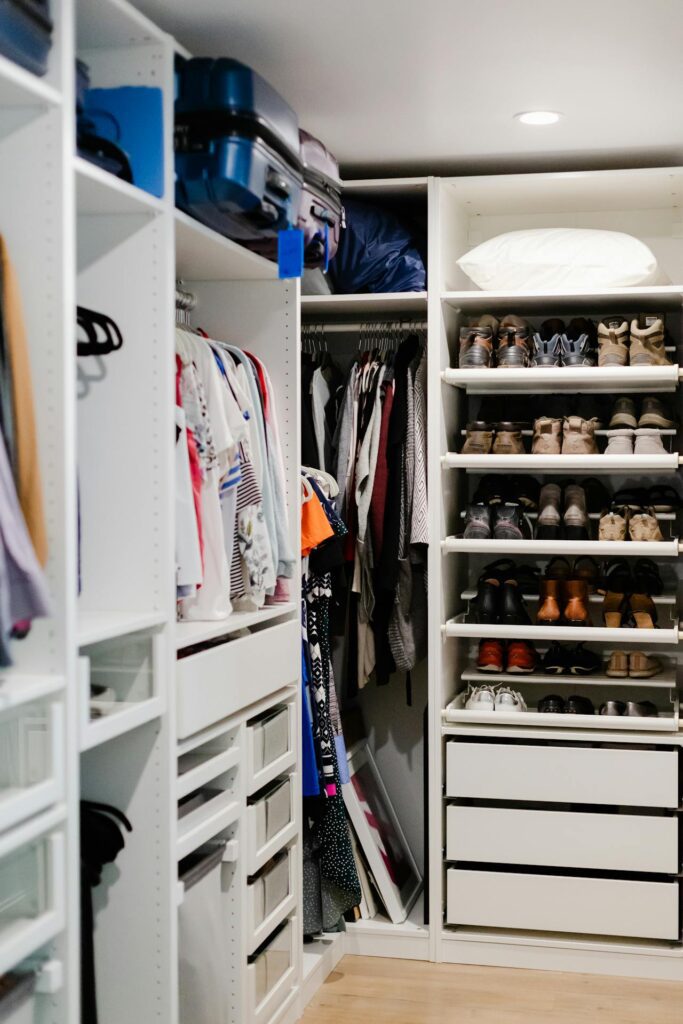

What works best:
• Hang: Sarees, kurtas, dresses, and shirts. Use wide or padded hangers for heavier garments to prevent stretching.
• Fold: Jeans, knitwear, t-shirts, and everyday home wear.
• Roll: Leggings, scarves, and workout wear to save space and improve visibility, especially in compact wardrobes.
Lightweight sarees such as chiffon or georgette can be draped over non-slip hangers, allowing them to fall naturally. Heavily embroidered or zari sarees, however, are better folded and stored flat, to avoid strain on the fabric and embellishment.
Storage Tools That Actually Help
Organisation becomes sustainable only when the tools you use support the storage method rather than complicate it. The best storage solutions are often simple, intuitive, and easy to maintain over time.
Visibility is key. When you can see what you own, you are more likely to use it and less likely to buy duplicates.
Helpful essentials:
• Breathable fabric covers for ethnic wear
• Drawer dividers for innerwear and accessories
• Shelf organisers to prevent piling
• Labelled boxes to minimise repeated handling

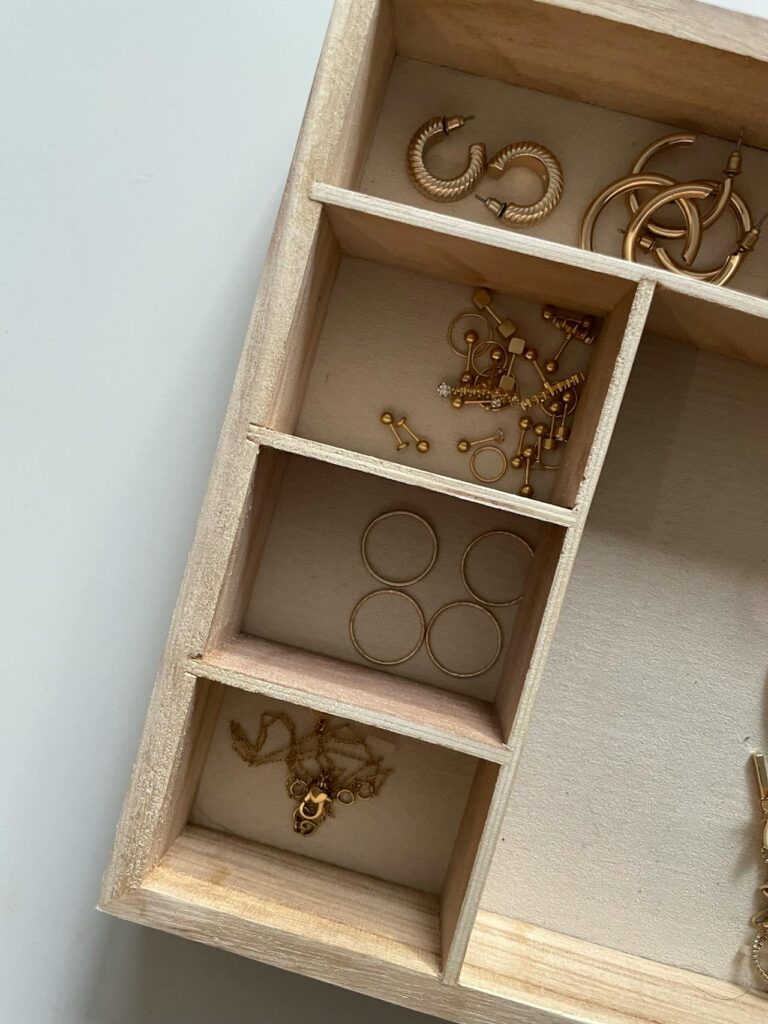
For sarees and festive garments, cotton or muslin storage bags are preferable to plastic as they allow airflow and support and reduce the risk of moisture damage. Leaving around twenty percent of wardrobe space free creates visual breathing room and makes the entire wardrobe feel calmer and more usable.
Caring for Indian Ethnic Wear
Traditional Indian garments carry craftsmanship, memory, and often emotional value. Caring for them thoughtfully means choosing a storage method that honours both fabric and form.
Small habits make a meaningful difference when it comes to preservation.
Key care practices:
• Store sarees only when clean and completely dry
• Refold silks every few months to prevent permanent creasing
• Use neem leaves or cloves as natural repellents
• Keep heavy lehengas and embellished outfits stored flat or in shallow boxes — a storage method that prevents distortion
Keeping dupattas stored alongside their corresponding outfits avoids mismatched sets and reduces unnecessary searching when dressing for special occasions.
Shoes and Bags: Order Without Damage
Shoes and bags often take the brunt of poor storage, even though they are among the most investment-worthy items in a wardrobe. Choosing a thoughtful storage method helps retain shape, finish, and functionality.
For shoes:
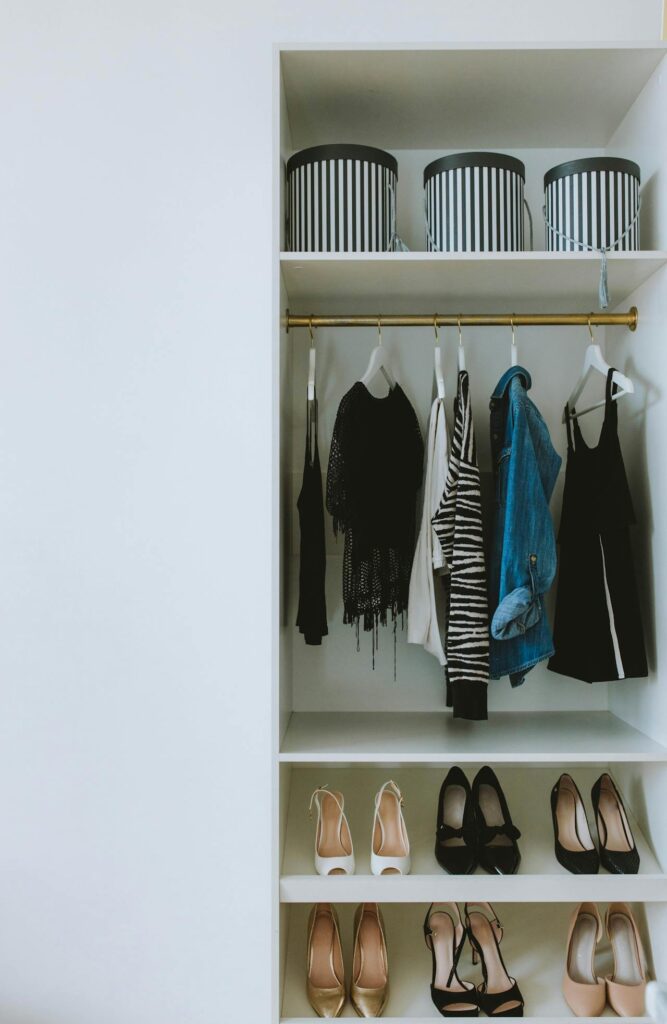
• Group by use: daily wear, workwear, occasion, and seasonal
• Store everyday shoes at floor or eye level for easy access
• Use individual boxes or dust bags for occasion footwear
• Ensure shoes are fully dry before storing; add silica gel or neem leaves to control moisture
Avoid stacking shoes directly on top of each other. Tiered racks or shelf dividers help preserve shape while making selection simpler.
For bags:
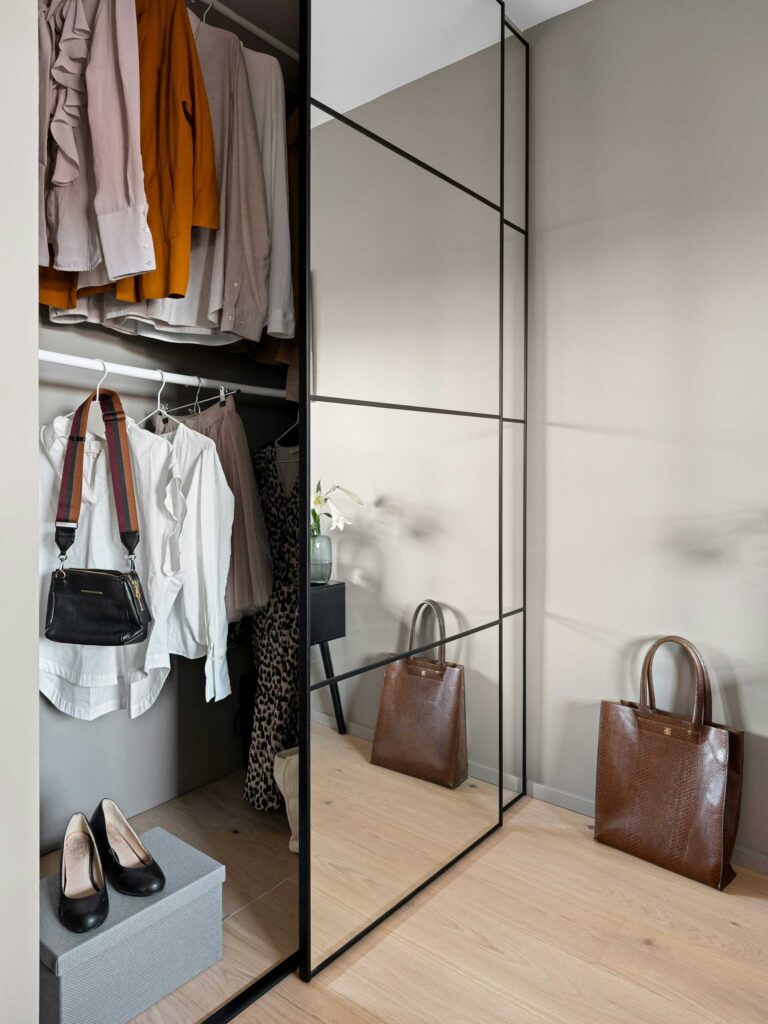
• Store structured handbags upright and lightly stuffed to retain form
• Fold and store soft totes vertically
• Keep clutches and potlis in dust bags or drawer compartments
• Avoid hanging heavy bags by their straps for long periods
Shelved storage with breathable covers is always preferable to plastic, especially for leather, silk, or embroidered bags, as this storage method allows materials to age gracefully.
Jewellery and Accessories
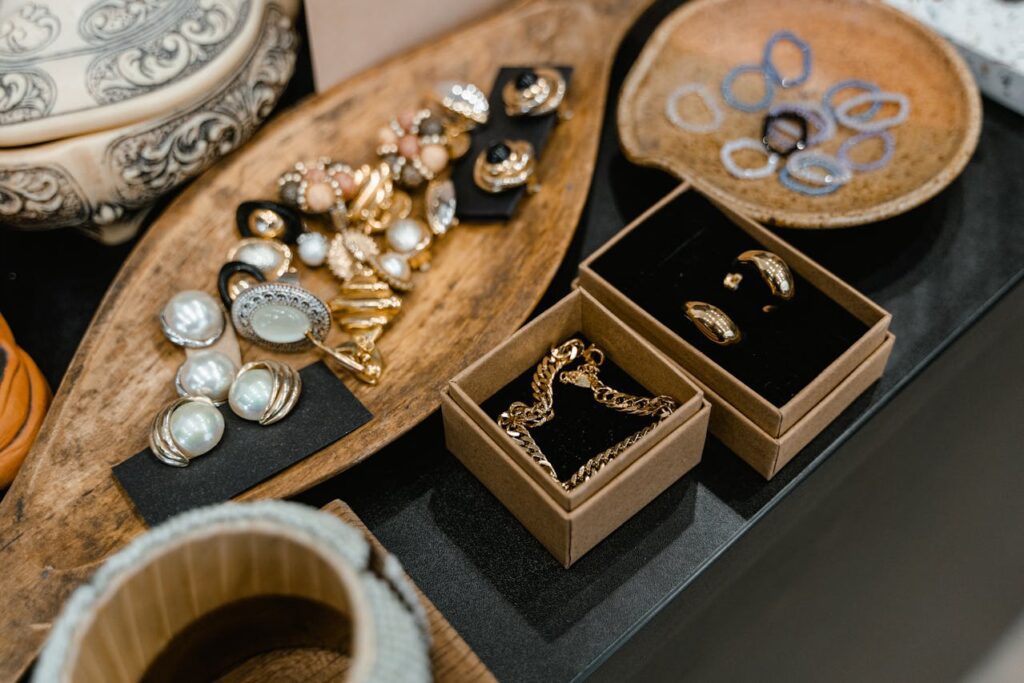
Accessories complete an outfit, but without an appropriate storage method they quickly become tangled, scratched, or forgotten. Separating jewellery from clothing is essential to prevent snagging and damage.
Simple organising principles:
• Use drawer trays or compartmentalised boxes for rings, earrings, and bangles
• Hang long necklaces to prevent tangling
• Group jewellery by type or metal to reduce wear
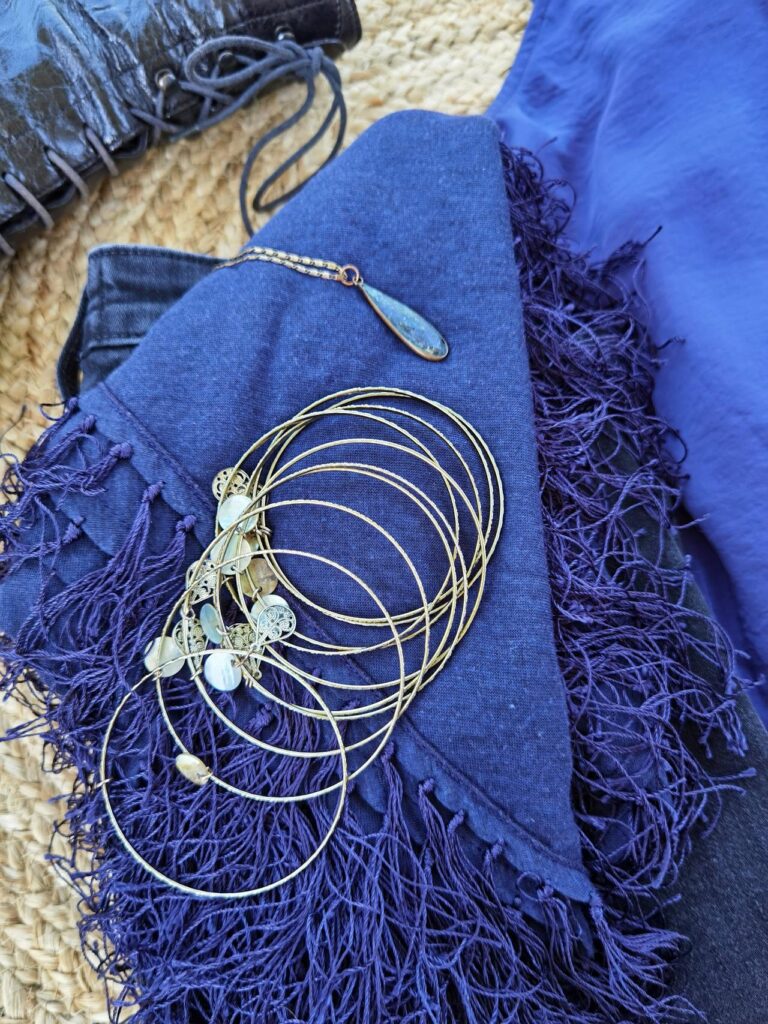
Belts, scarves, and stoles benefit from vertical storage, where each piece remains visible and easy to reach.
Maintain With Seasonal Rhythm
Wardrobe organisation works best when it follows a natural rhythm rather than rigid rules. A flexible storage method allows your wardrobe to evolve as seasons and lifestyles change.
Regular rotation keeps frequently worn items accessible while allowing off-season clothing to rest without unnecessary handling.
Easy habits that help:
• Rotate clothing seasonally
• Keep frequently worn items at eye level
• Follow a simple ‘one in, one out’ rule
• Do quick weekly resets to return items to their place
An organised wardrobe is a quiet form of self-care. When clothes, shoes, bags, and accessories are stored with intention, they last longer and serve you better. More importantly, getting dressed becomes calmer, faster, and quietly enjoyable.
A wardrobe that reflects your lifestyle — and respects the clothes you value — is one that truly works for you.