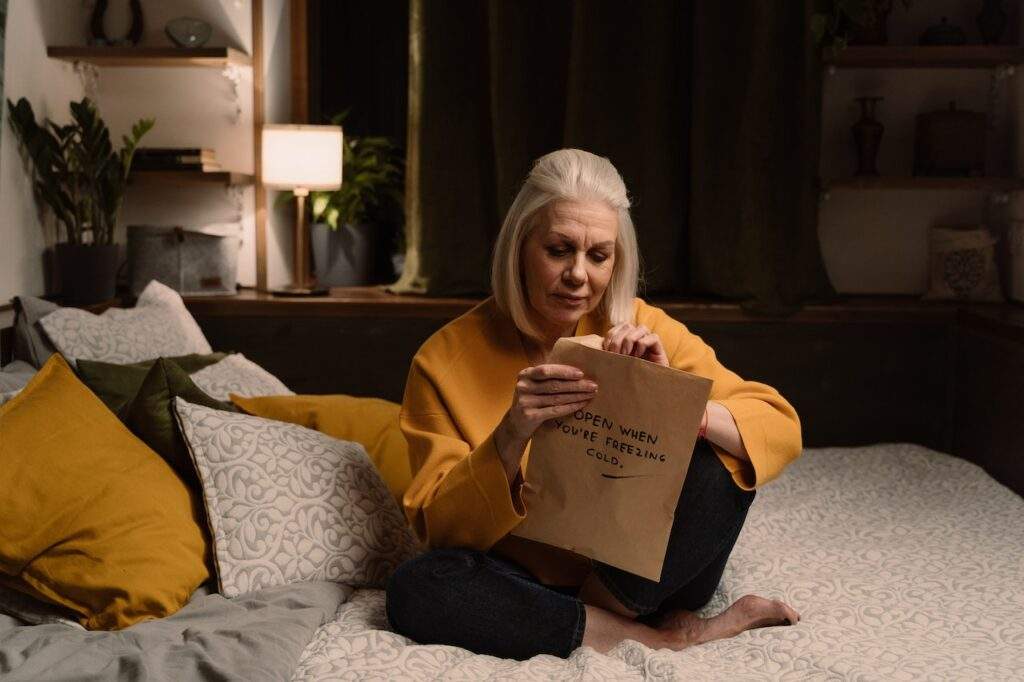
In many Indian homes, ageing happens quietly. Parents grow older surrounded by family, yet slowly retreat into smaller lives. Days blur into television hours, routines dissolve, conversations shrink. From the outside, everything seems fine. From the inside, something vital is missing – a hidden struggle that defines senior living for many older adults in India.
Aamra Seniors Club was born in this quiet gap.
Not out of a business plan, but out of grief, love, and a deeply personal reckoning with what ageing looks like in modern India—and how senior living must adapt to changing family structures.
You may like:
- Nandini Gulati, a Leading Health Coach, on Self-Healing and Overcoming Chronic Illness Naturally
- 6 Relaxing Mobile Games Women Are Loving for Calm, Focus, and Mental Wellness
- Mamta Wasan: Reclaiming Life After Loss – Healing, Purpose, and Second Chances
Quick Summary
Aamra Seniors Club reimagines senior living in India by addressing the quiet loneliness many older adults experience despite living with family. Founded on lived experience and medical insight, Aamra offers a non-residential, community-led space where seniors find routine, companionship, preventive care, and purpose. It fills the gap between home and institutions, helping ageing feel active, dignified, and deeply connected.
When Care Is Not the Same as Companionship
For Sripriya Yegneswaran, the idea of Aamra took shape after losing her mother to stage-four cancer. During the illness, her father became the primary caregiver. After her mother passed away, grief unfolded differently for everyone in the family. But the worry lingered around one person the most – her father.
He moved in with her in Gurgaon, where life was already stretched thin between a demanding corporate career and a young child. Though surrounded by people, he became withdrawn. Lonely. Untethered.
Later, while staying with her brother in the United States, he joined a local community centre for seniors. Something shifted. He found routine, companionship, and a reason to step out every morning – a community-led approach to senior living that restored purpose. His days had structure again. His voice carried energy.
When he returned to India, Sripriya searched for something similar. She found nothing. There were old-age homes, which felt final and institutional. There were hobby clubs, which lacked continuity and care. There were hospitals and clinics, but no spaces for seniors who were not unwell – revealing a missing middle in senior living between home and institutions.
That absence stayed with her.
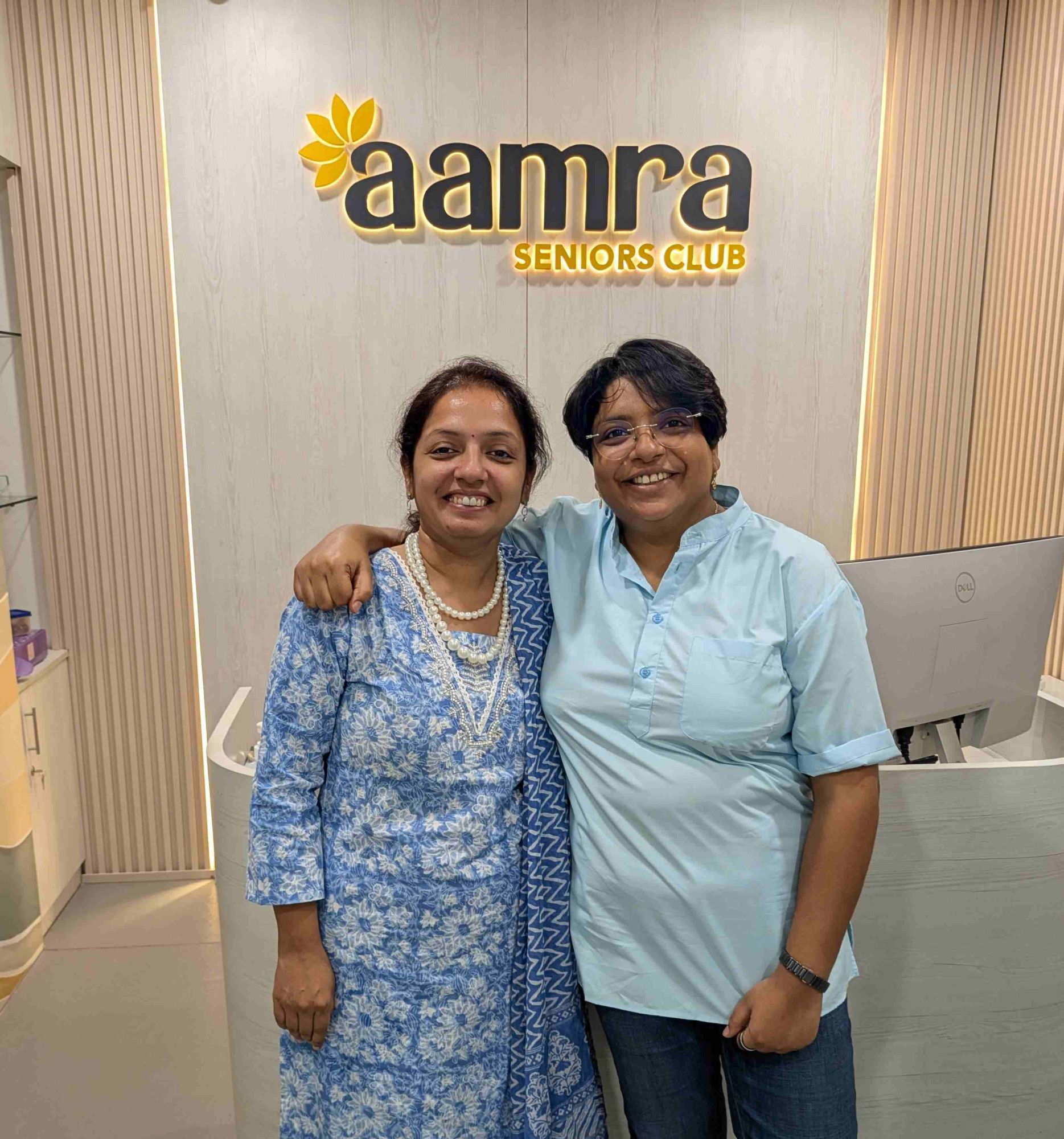
Around the same time, Akanksha Saxena, a head and neck oncologist, was seeing a different version of the same problem from inside hospital corridors. Older patients struggling with medication management. Early signs of deterioration that could have been prevented. Falls that changed lives overnight. Most importantly, a lack of everyday support systems once patients went back home – highlighting gaps in how senior living is supported beyond medical settings.
For Akanksha, treating one patient at a time began to feel insufficient. What was missing was prevention, structure, and community – before crisis struck.
Their journeys converged around a shared belief: India lacks non-medical, day-based spaces where seniors can age actively, socially, and safely – without leaving their homes or identities behind. This belief challenged prevailing ideas of senior living in India.
That belief became Aamra.
Reimagining Ageing in an Indian Context
In India, the idea of sending parents to residential senior living still carries emotional resistance. Ageing is expected to happen at home, within the family. Yet the reality has changed.
Urban families are busier. Homes are quieter during the day. Adult children juggle work, caregiving, and parenting. Seniors remain independent, but isolated. This tension increasingly defines urban senior living today.
Aamra steps into this in-between space. It is not a residential facility. It is not a clinic. It is a day club for seniors who want routine, companionship, and purpose – offering a community-based model of senior living without leaving the homes or cities they love. The philosophy is simple but powerful – ageing well is not only about medical care. It is about having somewhere to go, people who know your name, and days that feel meaningful.
Inside a Day at Aamra
A day at Aamra does not rush anyone. Members arrive at their own pace, greeted by familiar faces and easy conversation. There is warmth before there is structure. A quiet check-in before activity begins.
Each morning starts with a gentle health review. Vitals are tracked digitally—not to alarm, but to notice patterns early. It is care that feels watchful, not clinical. Then comes movement. Led by a physiotherapist, group exercise focuses on balance, strength, and fall prevention. The sessions are light-hearted, adaptive, and social. The goal is confidence, not intensity.
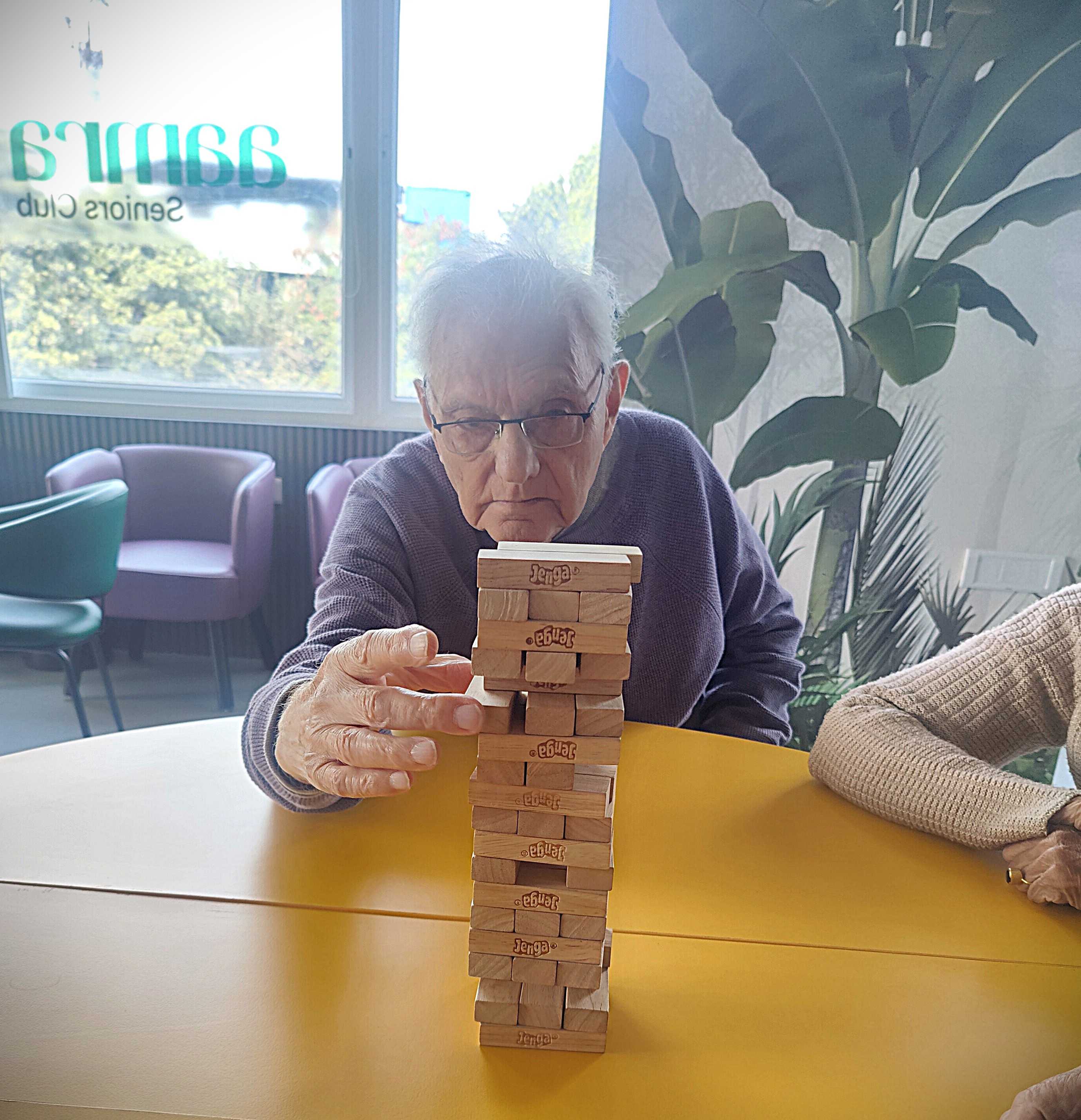
Late mornings open into learning and creativity. Art, music, technology basics, gardening – activities that awaken curiosity without pressure. Cognitive games slip in naturally, sharpening attention and coordination without ever feeling like therapy.
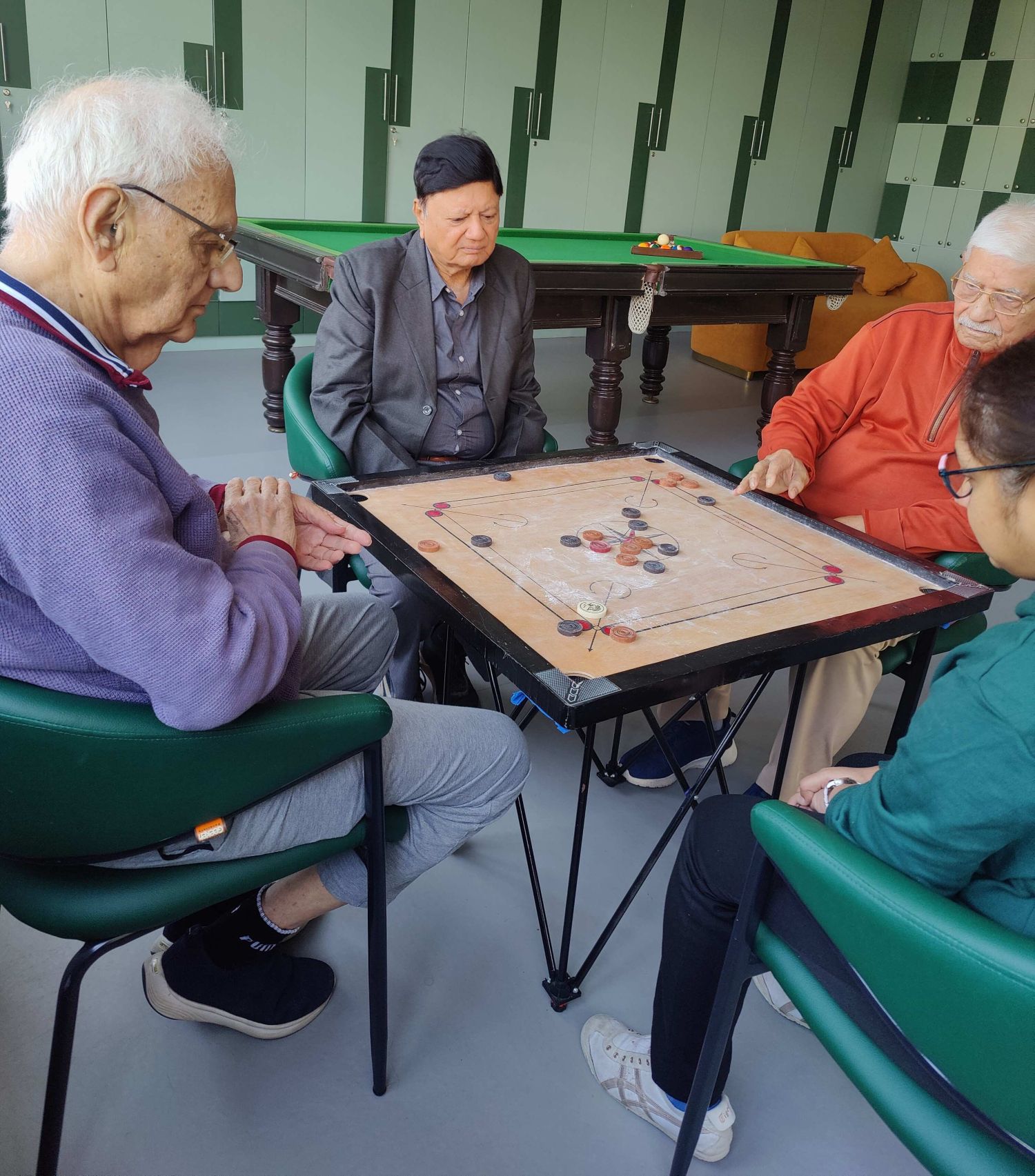
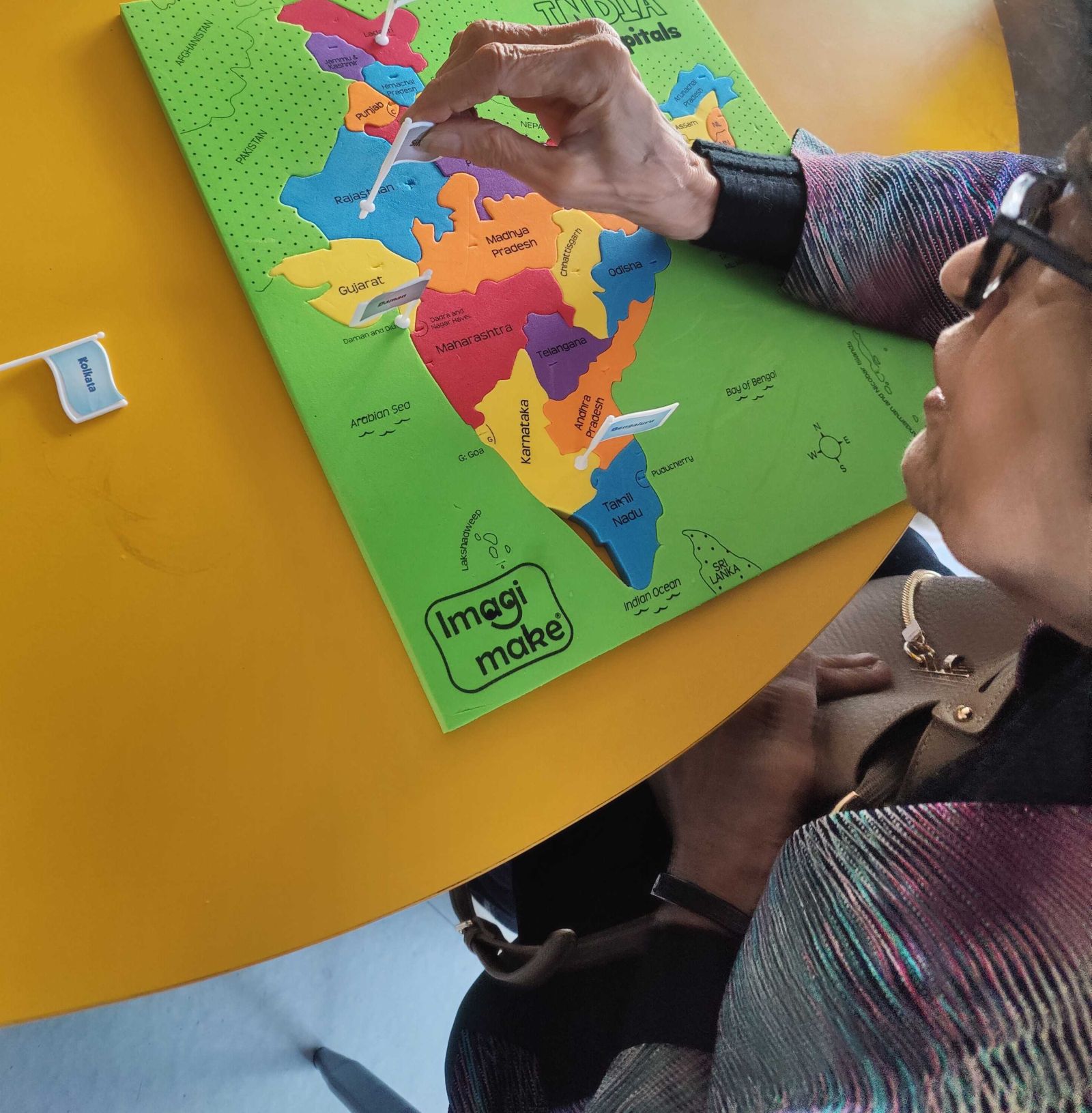
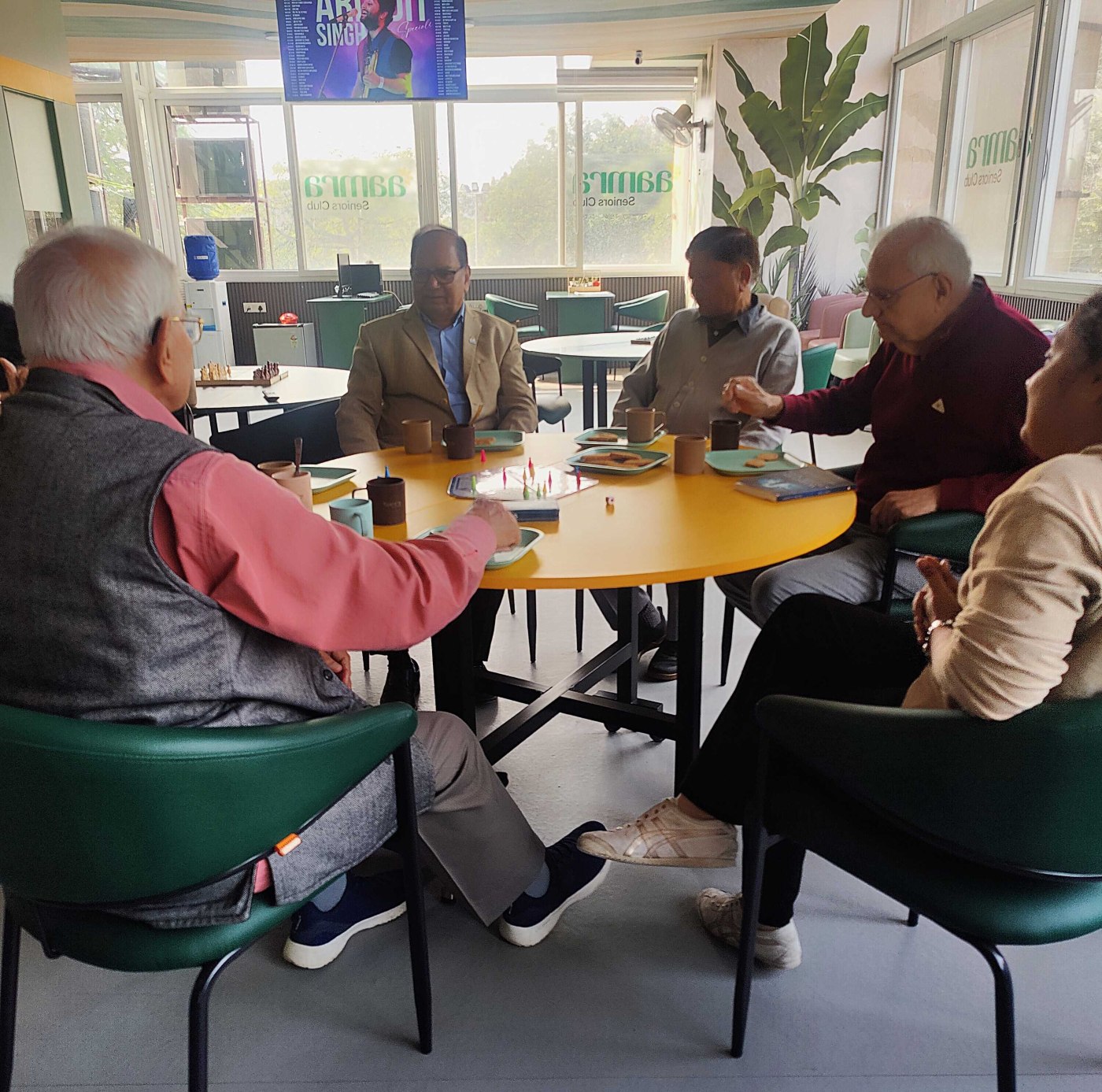
And then, chai. This is where Aamra truly comes alive. Stories spill out. Laughter grows louder. Friendships form over shared memories and small jokes. For many members, this tea break becomes the emotional anchor of the day – an everyday ritual that strengthens community-led senior living.
Other days bring festival celebrations. Some days bring guest speakers or short outings. The rhythm stays comforting, but never dull. By the time members leave, they carry something subtle but important back home – energy.
Designed for the Whole Person
Everything at Aamra is built with intention. The space itself is elder-friendly – safe flooring, clear pathways, comfortable seating. Nothing flashy. Nothing intimidating. Just thoughtful design that restores confidence in movement.
There is always a nurse on-site and a doctor on call. Health records are maintained digitally, allowing families to stay informed and concerns to be addressed early. But the environment never feels like a medical centre.
Equally important is the human layer. Staff are trained not just in protocols, but in patience and empathy. They observe moods as carefully as vitals. A quieter day. A slower walk. A withdrawn conversation. These cues matter deeply in emotionally aware senior living environments. The aim is not to control or over-manage, but to support independence while offering reassurance.
Where Stories Find an Audience Again
What changes most visibly at Aamra is not posture or gait – it is presence.
An 89-year-old former English professor often captivates the room with stories of her life. A woman who drove in the 1970s, travelled abroad on fellowships, taught generations of students. When she speaks, pride returns to her voice. Her life feels witnessed again.
A 91-year-old gentleman walks down alone on days his driver cannot come. It is a short walk, but it speaks volumes. He chooses connection over solitude.
Families receive monthly report cards – not just medical updates, but glimpses of joy. Photos. Participation highlights. Small wins. These reports spark conversations at home and deepen bonds beyond caregiving roles.
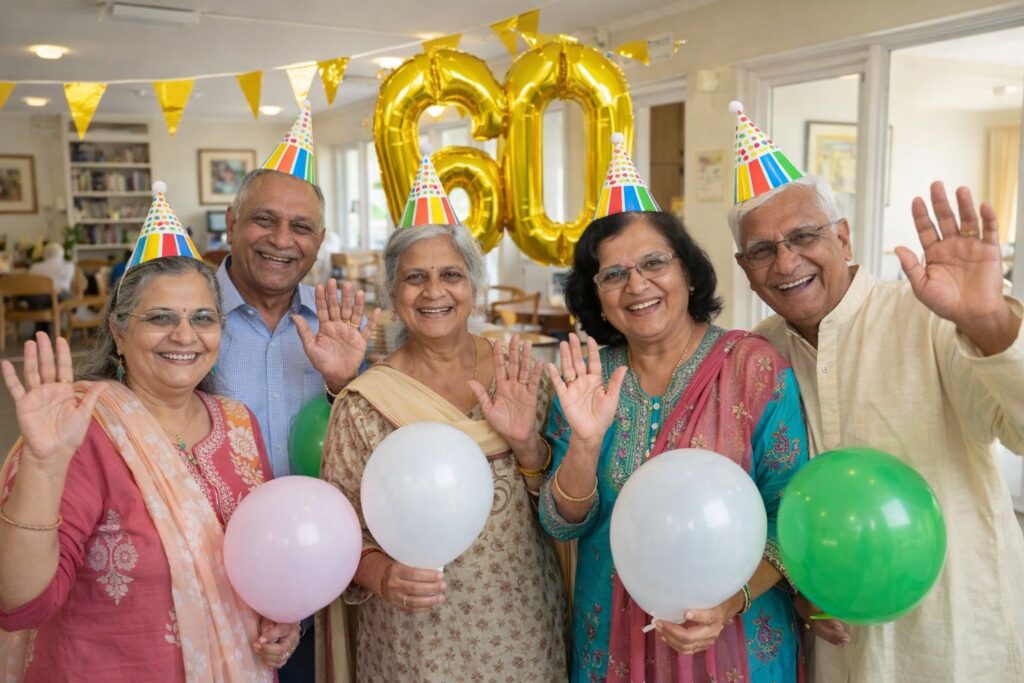
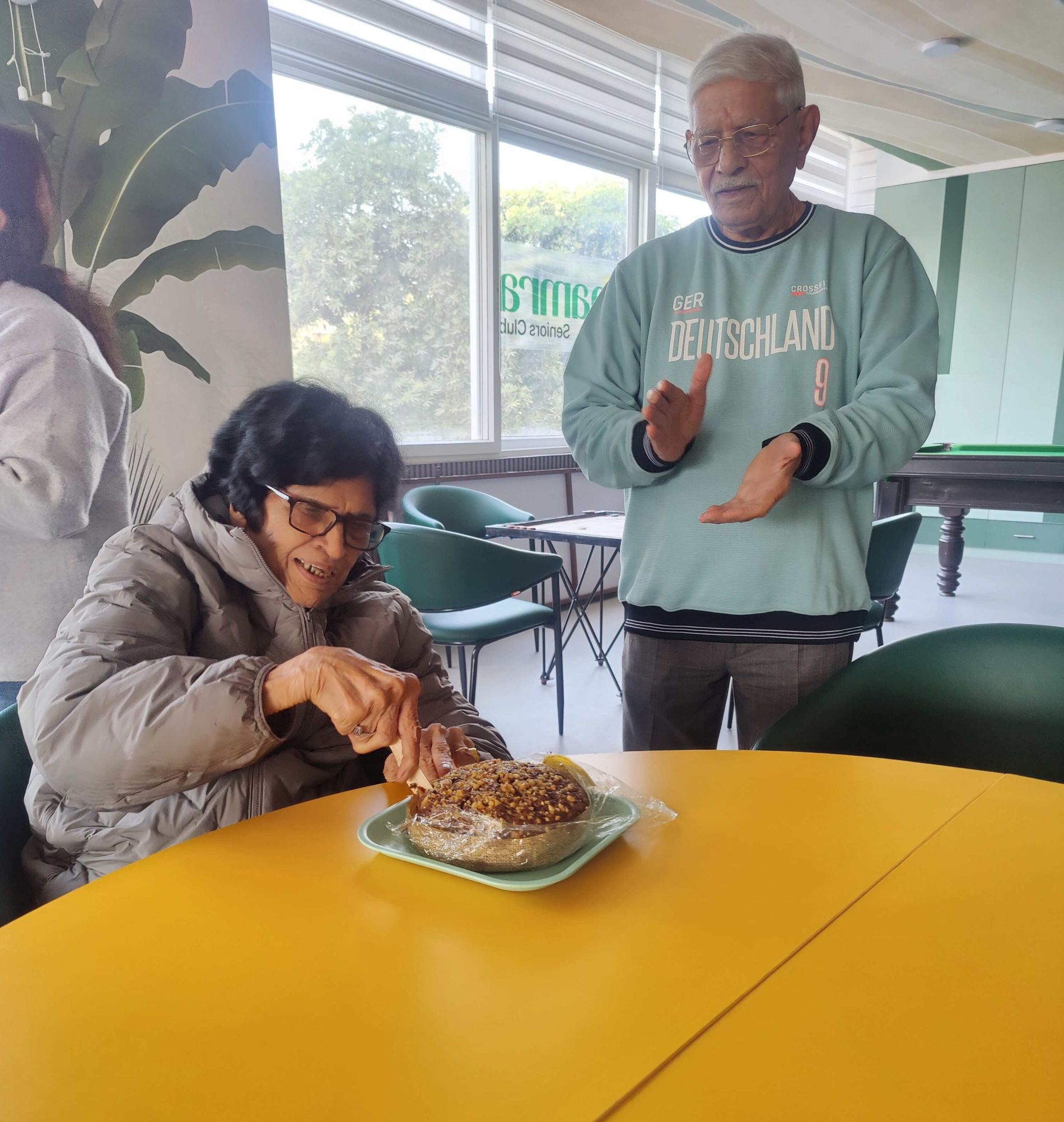
Birthdays are celebrated. Festivals are marked. Rituals are honoured. Slowly, seniors rediscover something many had lost without realising it – belonging.
Small Changes, Profound Impact
The transformations are often quiet but consistent. Improved balance. Reduced dependence on walking aids. Better sleep. Sharper alertness. Renewed curiosity – outcomes that reflect holistic senior living rather than episodic care.
Members who once dreaded empty Mondays now look forward to the week. Homes feel lighter. Conversations flow more easily. Most importantly, there is purpose again. A reason to get dressed. A place where someone notices if you do not come in. A life that feels engaged rather than paused.
Changing a Cultural Conversation
Running a seniors’ club in India comes with challenges. There are misconceptions to undo. Mindsets to gently shift. Seniors who hesitate to spend on themselves. Families who assume “everything is fine” because parents live with them.
Aamra approaches this with patience. It reframes the narrative – this is not about need or decline. It is about enrichment. Not about taking anything away, but about adding something deeply personal. Once seniors step in, hesitation often dissolves.
Looking Ahead
Aamra is still early in its journey. The long-term vision extends beyond physical centres. But the heart of the mission remains unchanged. To build communities where ageing feels active, dignified, and joyful. To shift how India thinks about growing older – and about senior living. Not as a slow fading, but as a phase still rich with connection and life.
Because ageing, when held with care and community, does not have to be endured. It can be lived.
To know more visit www.aamra.life