

For many women, relocation does not begin with a packed suitcase or a boarding pass. It begins with responsibility.
With school admissions that must be reconsidered.
With ageing parents whose health needs more attention.
With a spouse’s job transfer that arrives with little warning.
With career opportunities that demand stepping into unfamiliar territory.
Across life stages, relocation has quietly become a recurring reality in many women’s lives. Sometimes it is planned. At other times, it arrives unexpectedly. But almost always, it requires courage—the courage to rebuild routines, relationships, and stability in unfamiliar surroundings while continuing to honour family responsibility. In many ways, relocation becomes an exercise in life adaptation, shaping how women respond to changing circumstances.
Relocation rarely happens for a single reason. More often, it reflects moments when life shifts direction—quietly, gradually, and sometimes unexpectedly—requiring thoughtful life adaptation at every stage.
You may like:
- From Vision to Impact: 3 Women Transforming Underprivileged Children’s Lives Through Swapaksh
- Unlocking Longevity: How to Craft Ideal Fitness Regime for Older Women
- Navigating Return to Work in your 40s: Myths vs. Reality
Quick Summary
Relocation often reflects responsibility, opportunity, or life transitions that reshape daily routines and relationships. For many women, moving involves rebuilding stability while supporting family needs and personal goals. This article explores the many reasons behind relocation and highlights practical strategies that make transitions smoother—showing how thoughtful planning, emotional readiness, and steady life adaptation can help transform uncertainty into confidence and new beginnings.
When Life Moves Because Work Moves
In many households, relocation begins with professional demands. A partner’s job transfer, a corporate role requiring mobility, or an international assignment can disrupt carefully built routines.
These transitions often require women to manage the invisible side of relocation—helping children adjust to new schools, recreating homes from scratch, and rebuilding daily systems that others rely on. Each step demands patience and ongoing life adaptation, especially during the early days of settling into unfamiliar surroundings.

What appears routine from the outside often involves considerable emotional and logistical effort behind the scenes. Over time, many women develop a strong capacity for life adaptation, allowing them to manage repeated transitions with growing confidence.
When Adjustment Quietly Becomes a Woman’s Responsibility
Relocation is often described as a family decision. But in many households, the responsibility of rebuilding daily life falls more heavily on women.
Researching neighbourhoods.
Locating healthcare facilities.
Understanding school systems.
Creating new routines that keep households functioning.
And yet, this repeated rebuilding shapes resilience—teaching women how to adapt, reorganise, and move forward even when circumstances feel uncertain and strengthen their life adaptation skills, enabling families to regain stability more quickly.
When Moving Is About One’s Own Growth
Not all relocations are driven by external demands. Increasingly, many women are choosing to relocate for their own aspirations.
A promotion that requires relocation.
An opportunity to pursue higher education.
A chance to step into leadership roles or new industries.
These decisions often involve careful consideration—balancing ambition with family responsibility and long-term planning. But what is apparent is that, such moves expand professional possibilities while strengthening confidence in navigating unfamiliar situations and life adaptation skills.
When Life Transitions Redraw the Map
Some relocations follow deeply personal turning points—divorce, widowhood, or major life changes that require rebuilding support systems.
These moments are rarely easy. They often carry emotional weight alongside logistical change. Moving during such transitions is not simply about geography—it is about rebuilding stability and redefining independence. These moments often require gradual life adaptation, allowing women to rebuild confidence and stability over time. Hence, for many women relocation becomes a step toward reclaiming control over life’s direction.
When Caregiving Shapes Where We Live
In many families, caregiving responsibilities influence where women live.
Moving closer to ageing parents.
Supporting in-laws who require daily care.
Adjusting locations to ensure childcare support from extended family.
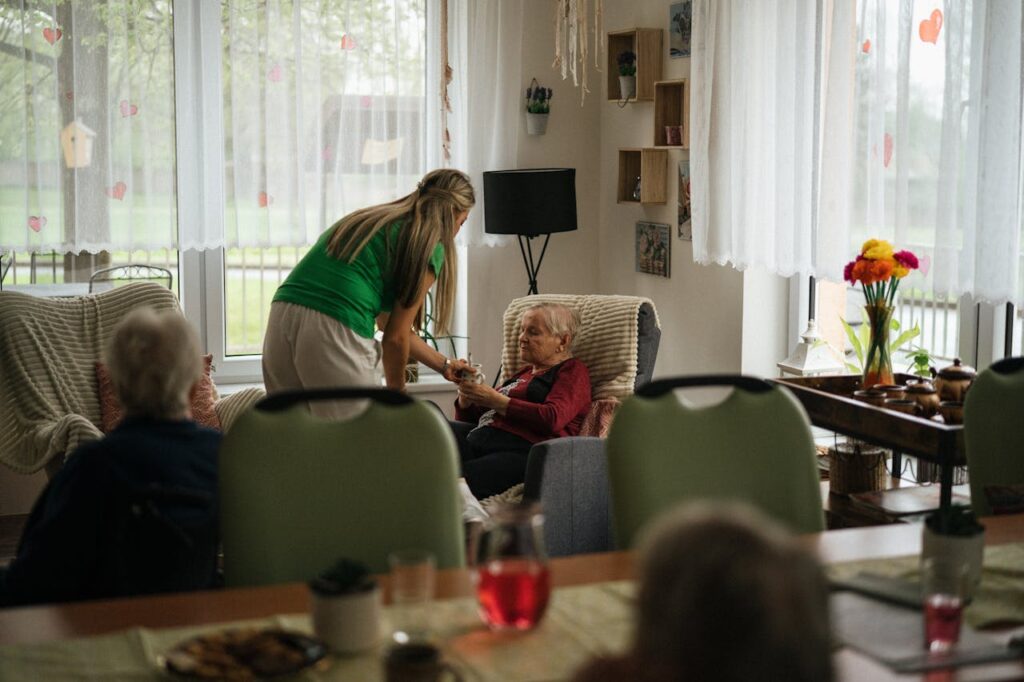
These decisions reflect commitment and foresight. They are rarely impulsive. Instead, they represent thoughtful responses to changing family needs.
While there is no denying that such relocations can be often disruptive, how women prepare for these changes can make a profound difference in how manageable the transition becomes. Developing practical strategies strengthens confidence in life adaptation, making relocation feel less overwhelming. In other words, relocation does not have to feel overwhelming when approached with intention.
Making Relocation More Manageable: Practical Ways to Support Yourself
Begin Planning Earlier Than You Think Necessary
Relocation becomes overwhelming when everything happens at once. Creating a simple timeline that lists essential steps—school transfers, packing schedules, address changes, and documentation—can make large responsibilities feel more manageable. Planning early supports smoother life adaptation, allowing families to adjust gradually rather than react under pressure.
Build Familiarity Before You Arrive
Uncertainty often creates anxiety. Learning about the new neighbourhood before relocating helps reduce that uncertainty. Understanding commute routes, locating nearby markets, identifying healthcare facilities, and learning about schools creates a sense of preparedness. Even small efforts to gather information help unfamiliar surroundings feel less intimidating.


Rebuild Daily Routines Quickly
Routine provides emotional stability during uncertain times. Establishing predictable daily patterns—meal times, school routines, or household schedules—helps families regain a sense of normalcy. Predictable routines play a vital role in supporting steady life adaptation during major transitions.
Make the New Space Feel Familiar
A new house begins to feel like home when familiar elements are introduced early. Unpacking essentials first, displaying family photographs, or recreating familiar spaces creates emotional comfort. Small details often make the biggest difference in easing adjustment.
Invest Time in Building New Support Systems
Relocation often disrupts social networks. Creating new connections—through neighbourhood communities, professional networks, or shared-interest groups—helps reduce isolation. Strong social connections are essential tools for effective life adaptation in unfamiliar surroundings.
Stay Connected to What You Left Behind
Maintaining contact with friends and family from previous locations provides emotional continuity. Regular conversations and shared moments help preserve belonging even when distance changes geography.
Allow Yourself Time to Adjust
Relocation is both a physical and emotional shift. Feelings of uncertainty, nostalgia, or fatigue are natural responses to change. Allowing time for emotional recovery supports healthier life adaptation and long-term resilience.
Protect Your Own Wellbeing During Transition
In the middle of relocation responsibilities, personal wellbeing often becomes secondary. Maintaining sleep routines, balanced meals, and physical activity strengthens resilience. Taking care of yourself builds the strength needed to manage change effectively.
Ask for Help When Needed
Relocation becomes easier when responsibilities are shared. Seeking logistical support, professional services, or emotional assistance reduces pressure and prevents exhaustion. Asking for help allows transitions to feel more manageable and less isolating.
Moving Forward With Confidence
Relocation is often described as movement between places. But for many women, it represents something deeper—the rebuilding of routines, relationships, and identities while continuing to support family responsibility.
With thoughtful preparation, supportive connections, and patience through adjustment, relocation can move beyond disruption. It can become an opportunity to rediscover strength, create new beginnings, and build stability even in unfamiliar spaces—supported by the steady growth of life adaptation skills over time.