Across cultures and kitchens, one-pot meals have always found their way to the centre of the table. Whether it is khichdi in Indian homes, bisi bele bhat from Karnataka, varan fal from Maharashtra, or even Spanish paella and jambalaya from distant shores, these dishes were born from the same need – to feed many people efficiently while delivering nourishment in a single pot. Many of these timeless preparations are remembered not just for their practicality but for their role as deeply satisfying comfort food that brings warmth to everyday meals.
Historically, cooking fuel was precious, time was limited, and families were large. Cooking everything together in one vessel meant conserving fuel, reducing effort, and ensuring that everyone was fed well. In our Gujarati and Rajasthani kitchens, that role is beautifully played by daal dhokli – a dish that reflects practicality, nourishment, and comfort in equal measure, standing proudly among India’s most beloved comfort food traditions.
Food that stretches easily around the table yet nourishes completely – that is daal dhokli for me. It fills the tummy, satisfies the appetite, and has the remarkable ability to feed more people than you planned for, without demanding extra effort. Imagine needing to prepare a quick meal and suddenly realising you must feed more hungry stomachs than expected. You know it will require time and energy, yet you want something wholesome and satisfying. The answer, more often than not, lies in one pot comfort food— bringing together lentils, spices, and dough into a single nourishing dish.
You may like:
- Plant-Powered and Preservative-Free: The Story of The Goodness in Ur Life
- From Kitchen Dreams to Pioneering Food Bank Initiatives in India: The Inspiring Journey of Meher
- Giving Old Furniture New Life: A Sustainable Story with Singing Sparrow by Rashi Bajaj
Quick Summary:
Daal dhokli is a timeless one-pot comfort food that beautifully combines tradition, efficiency, and nutrition. Made with protein-rich lentils, wholesome wheat dough, and digestive spices, it delivers a naturally balanced meal in a single vessel. Beyond nourishment, this dish represents warmth, resourcefulness, and shared moments, making it a cherished one-pot meal that continues to bring families and friends together.
Understanding Daal Dhokli — More Than Just Comfort Food
At its simplest, daal dhokli is a hearty preparation of lentils simmered with small pieces of wheat dough. But to truly understand it, one must first clarify a common confusion – dhokli is not dhokla.
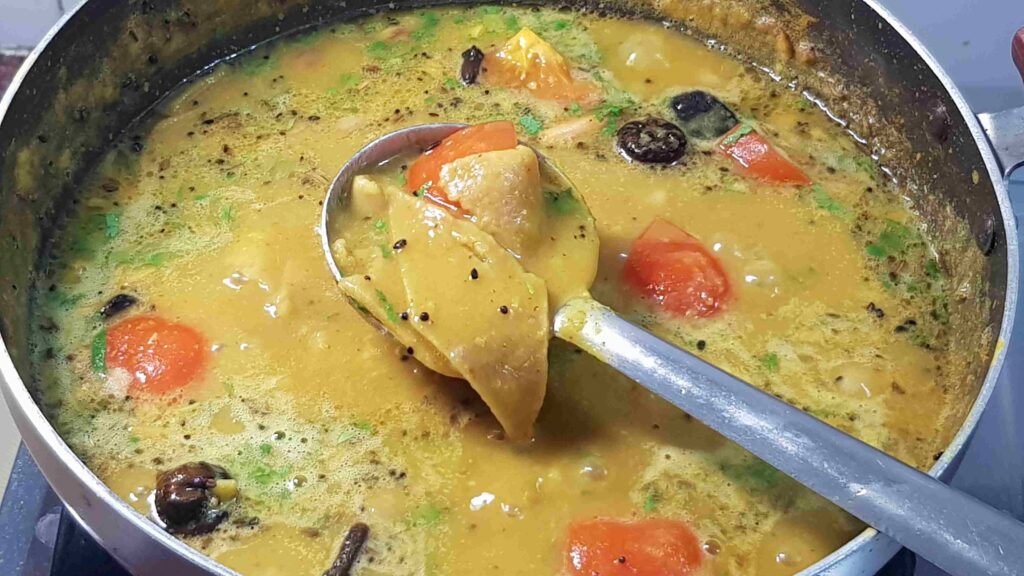
Dhokla is a soft, spongy steamed savoury cake made from fermented lentil or rice batter. Dhoklis, on the other hand, are pieces of wheat dough rolled thin and cut into small diamond shapes before being cooked directly in the simmering daal.
I often describe dhoklis as India’s version of pasta – simple wheat dough that cooks in the same pot as the lentils, absorbing flavour as it softens. The final texture is important: tender, yet with a slight bite, much like well-cooked pasta or dumplings.
This method is what makes daal dhokli a comfort food that is both efficient and satisfying – everything cooks together, allowing flavours to deepen while keeping the cooking process simple.
Efficiency at the Heart of the Dish
One-pot meals like daal dhokli were never just about convenience – they were about efficiency and resourcefulness.
Cooking lentils and dough together reduces the need for multiple vessels. It allows the cook to prepare a complete meal without constant supervision. It also makes batch cooking easier – a valuable quality when feeding families or unexpected guests.
There is also efficiency in the way this dish stretches. A single pot can comfortably serve several people, making it ideal for gatherings, shared meals, or days when time feels limited but nourishment remains important. This ability to feed many without stress is what often defines traditional comfort food across cultures.
Even in today’s modern kitchens, where convenience tools are easily available, the wisdom of one-pot cooking remains relevant. Less preparation, fewer utensils, and a complete meal – all in one vessel — are qualities that continue to make dishes like daal dhokli dependable comfort food in contemporary homes.
The Nutritional Strength of a Simple Bowl
Beyond efficiency, daal dhokli stands out for its nutritional value – a fact that perhaps explains why it has endured across generations as a wholesome comfort food.
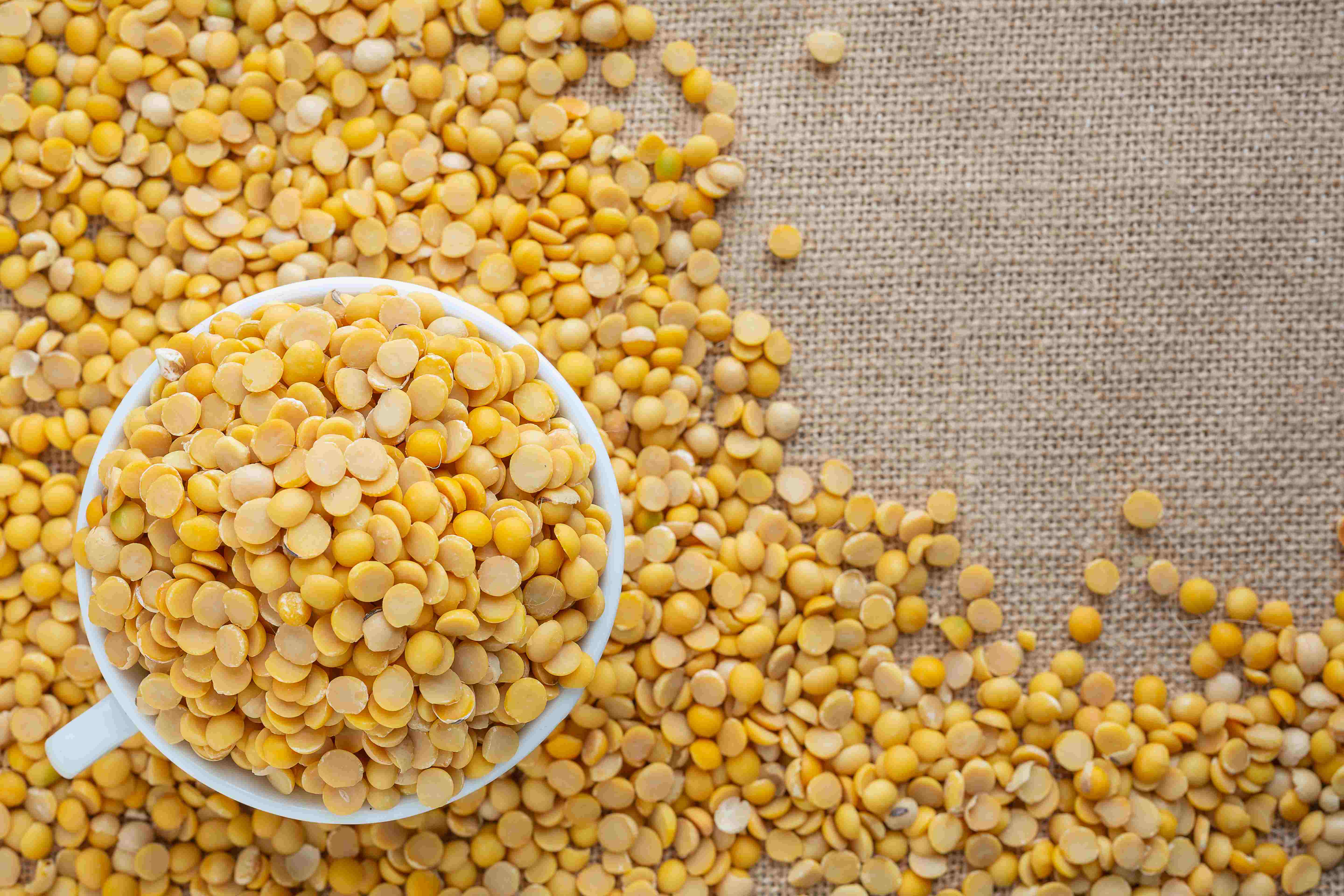
At the heart of this dish is toor daal, or split pigeon peas – a humble ingredient that offers remarkable nourishment. For every 100 grams of raw toor daal, the body receives over 20 grams of protein, making it an excellent plant-based source of strength and sustenance. Toor daal is also naturally rich in Iron, Magnesium, Potassium, and Dietary fibre, which aids digestion and promotes gut health.
The addition of peanuts contributes healthy fats and extra protein, enhancing both flavour and satiety making this comfort food high in nutritional value. Meanwhile, the whole wheat dhoklis provide complex carbohydrates that release energy gradually, helping the body stay fuller for longer.
Even the spices play a meaningful role. Turmeric contributes anti-inflammatory benefits, ginger supports digestion, and asafoetida helps reduce bloating — making this dish not just hearty but gentle on the stomach.
In many ways, daal dhokli represents a naturally balanced meal – protein, carbohydrates, fibre, healthy fats, and micronutrients – all brought together in one comforting pot that truly defines wholesome comfort food.
A Dish That Builds Connection
Over time, dishes like daal dhokli become more than recipes – they become memories. That is the quiet strength of traditional comfort food, which carries stories as much as flavour.
I still remember preparing daal dhokli when hosting a small gathering of new friends before heading out for an afternoon movie. I wanted to serve something traditional – something that would make everyone feel at ease. A single pot of daal dhokli was enough to feed us all comfortably. That meal sparked conversations, laughter, and friendships that lasted far beyond that day.
That, to me, is the true beauty of comfort foods like these – they nourish more than the body.
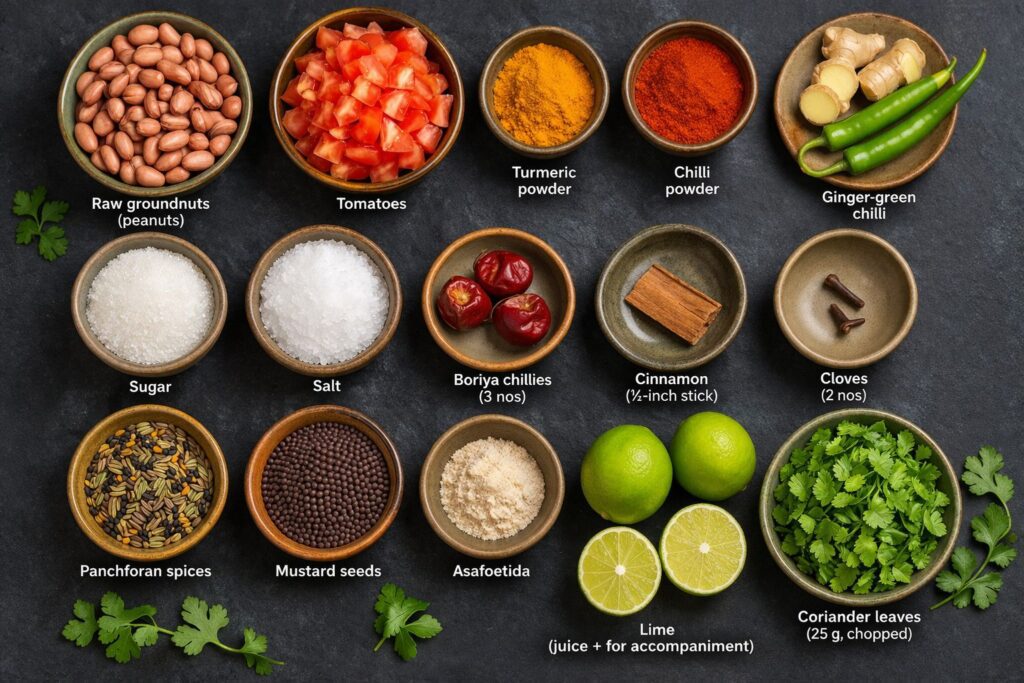
Recipe: Daal Dhokli
Ingredients:
For the Daal
- Toor daal – 100 g
- Raw groundnuts (peanuts) – 20 g
- Tomatoes – 80 g, diced
- Turmeric – ½ tsp
- Chilli powder – 1½ tsp
- Ginger-green chilli paste – 1½ tsp (known as adu marcha paste)
- Sugar – 3 tsp
- Salt – 2 tsp
- Groundnut oil – approx. 70 ml
- Boriya chillies – 3 nos (round small)
- Cinnamon – ½-inch stick
- Cloves – 2 nos
- Panchforan spices – 1 tsp
- Mustard seeds – 1 tsp
- Asafoetida – 1 tsp
- Lime – 2 nos juice + (for accompaniment)
- Coriander leaves – 25 g, chopped
- Melted ghee – 60 g (for topping)
For the Dhokli
- Wheat flour – 70 g
- Sugar – 1 tsp
- Chilli powder – ½ tsp
- Turmeric – ¼ tsp
- Salt – ¼ tsp
- Baking soda – a pinch
- Groundnut oil – 1 tbsp
- Water – as required
Method
- Pressure cook pre-soaked toor daal with groundnuts and 500 ml water for about 20 minutes.
- Once cooked, whisk the daal well until smooth.
- In a bowl, combine wheat flour, sugar, chilli powder, turmeric, salt, baking soda, and oil. Add water gradually to form a firm dough. Rest for 10 minutes.
- Transfer the smoothened daal to a vessel and add 2 cups of water. Bring to a gentle simmer.
- Add chilli powder, turmeric, ginger-green chilli paste, tomatoes, sugar, and salt. Simmer for about 10 minutes.
- Divide the rested dough into two portions. Roll each portion thinly into chapati-like discs.
- Cut diamond-shaped pieces from the rolled dough and keep aside.
- Bring the daal to a rolling boil and gently add the dhokli pieces. Stir carefully to prevent sticking. Cook for about 10 minutes.
- In a separate pan, heat oil and temper cinnamon, cloves, boriya chillies, panchforan, mustard seeds, and asafoetida. Add this tempering to the simmering daal.
- Cook for another 10 minutes until the dhoklis are tender yet retain a slight bite.
- Finish with lime juice and chopped coriander leaves.
- Serve hot, topped generously with melted ghee.
Click the link here to watch the recipe video.
Serving Tip
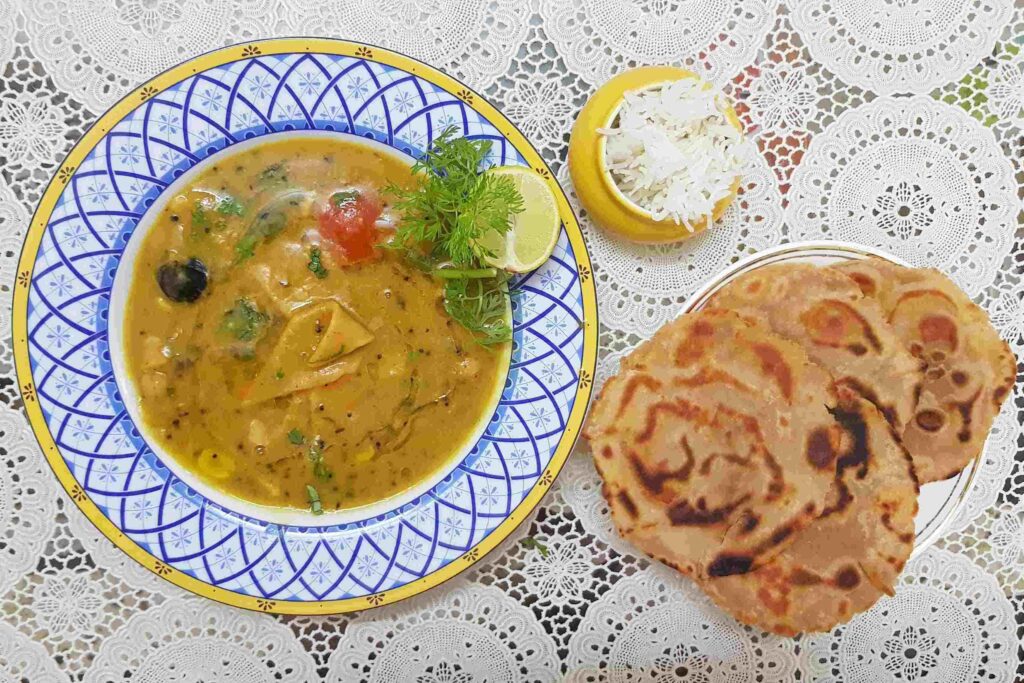
At home, we serve steaming hot daal dhokli with a squeeze of fresh lime and a generous spoonful of melted ghee. It can be enjoyed just as it is, or paired with plain rice or a bowl of dahi. On traditional days, we serve it with wheat potaya — rustic bhakris with small grooves that help absorb the ghee beautifully. However, it is served, daal dhokli is best enjoyed hot, shared generously, and remembered as timeless comfort food that brings people together.
The content belongs to Meher Dasondi . Reproduction is prohibited. Used on this website by permission from the author.
Author
Social
Other
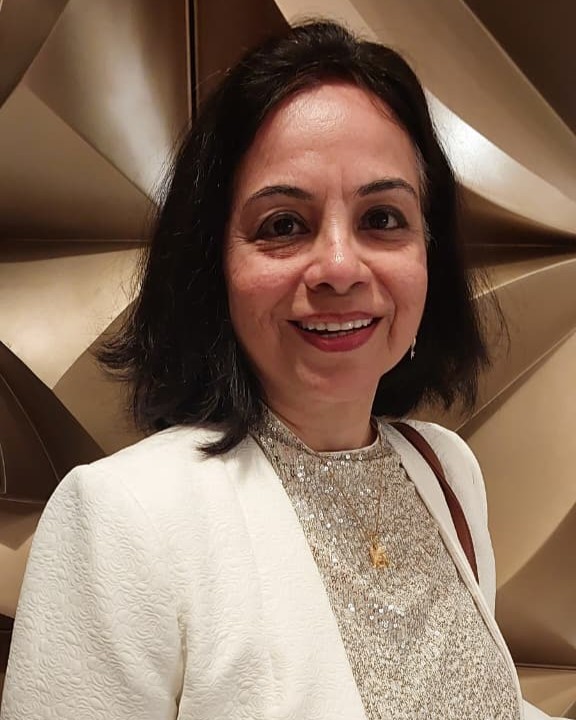
Meher Dasondi
Meher Satyen Dasondi’s journey isn’t just about recipes or restaurants – it’s about resilience, reinvention, and the power of purpose. In many ways, her life has been a quiet practice of cooking for purpose, even before she had words for it.
From training as a chef in Mumbai’s professional kitchens to rebuilding after setbacks, teaching aspiring cooks for over two decades, and eventually pioneering India’s Food Bank initiatives that turned surplus food into sustenance – her story is a reminder that passion, when rooted in care, can feed far more than hunger.
Today, through her YouTube channel, she continues to share what she knows best – food made with heart, served with hope. Read her interview to know the story behind the woman for whom cooking for purpose has inspired countless journeys, including her own.