What Actually Changes in the Skin After 40
The conversation around aging skin often focuses on wrinkles. In reality, the transformation is deeper and more structural.
Collagen and elastin — the proteins responsible for skin’s firmness and elasticity – naturally decline with age. Dermatologists often explain that collagen production begins slowing as early as the late twenties, gradually decreasing with each passing decade. By the time women reach their forties and fifties, this reduction in structural support becomes more visible in the form of reduced skin density, fine lines, and slower skin recovery — some of the most recognisable features of aging skin.
At the same time, decades of cumulative sun exposure begin to surface more clearly. Pigmentation, uneven tone, and deeper lines are often the delayed manifestations of ultraviolet damage accumulated over years, further influencing how aging skin appears over time.
Oil production also begins to decline. The lipid barrier — the outer layer that helps skin retain moisture and defend against irritation — becomes less efficient. This is why many women who once had combination or oily skin suddenly experience persistent dryness, sensitivity, or a feeling that their skin has become thinner or less resilient.
You may like:
- Age-Defying Beauty: How to Rock Bold Red Lips Over 50
- The Ultimate Wedding Wardrobe: Luxe Styles for the Mother of the Bride & Bridesmaids
- Dr. Bhawna Sharma: Integrating Ayurveda into Nordic Wellness
Quick Summary
After 40, the changes associated with aging skin go far beyond wrinkles. Collagen decline, hormonal shifts, cumulative sun exposure, and a weakening skin barrier all influence how skin looks and behaves over time. Understanding these biological changes helps shift the focus from aggressive correction to consistent support — prioritizing sun protection, barrier care, and thoughtful ingredients that help maintain healthy, resilient skin as we grow older.
Common concerns in this decade often include:
• Increased dryness and tightness
• More visible fine lines, especially around the eyes and mouth
• Uneven pigmentation or sun spots
• Slower healing and prolonged redness after irritation
These changes are not cosmetic anomalies. They are biological progressions that shape how aging skin evolves.
Hormones also begin to play a more noticeable role. During perimenopause, fluctuating estrogen levels influence hydration, collagen density, and the skin’s ability to repair itself. Estrogen contributes to maintaining skin thickness, elasticity, and moisture retention. As levels fluctuate — and eventually decline — the skin’s structural support system gradually adjusts.
This is not skin “failing.” It is skin responding to internal transitions.
The Role of Sun Damage in Aging Skin – The Long-Term Factor
One of the most well-documented contributors to visible skin aging is cumulative ultraviolet exposure.
Dermatologists frequently emphasize that photoaging – aging skin caused by UV radiation – accounts for a significant portion of visible skin aging, including wrinkles, pigmentation, and texture changes. Some dermatology experts estimate that up to 80–90% of visible skin aging can be linked to sun exposure over time.
This explains why what feels like sudden aging in the forties is often the delayed expression of environmental exposure from decades earlier.

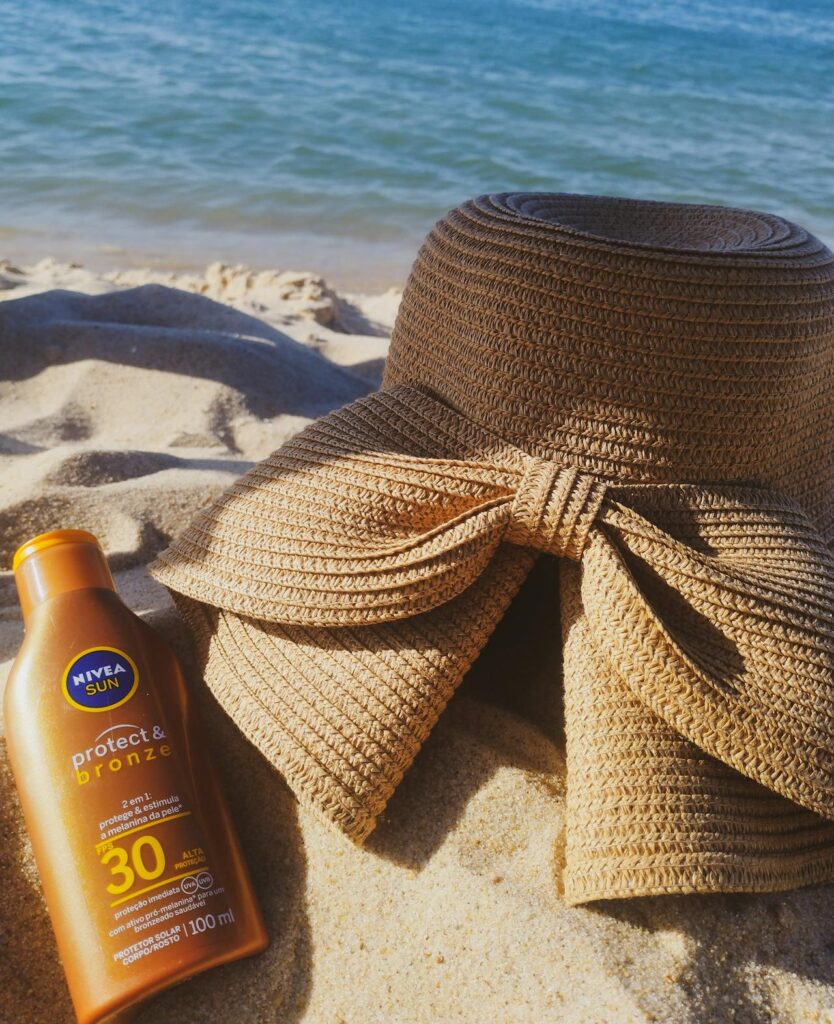
Sun protection therefore remains the single most evidence-supported intervention for maintaining skin health. Daily use of a broad-spectrum sunscreen (SPF 30 or higher) helps slow further collagen breakdown, reduce pigmentation, and protect the skin’s structural integrity — an essential step in protecting aging skin.
Even incidental exposure — such as sunlight through windows or during short outdoor errands — contributes to cumulative damage over time.
For aging skin, prevention may feel less dramatic than correction. But it remains far more powerful.
Rethinking “Anti-Aging”: Why More Isn’t Always Better
When skin begins to change, the instinct is often to intensify skincare – stronger peels, more active ingredients, frequent exfoliation.
Yet dermatologists increasingly caution that aging skin often benefits more from consistency than intensity.
After 40, barrier function becomes central to skin health. As natural lipids decline, the skin becomes more vulnerable to transepidermal water loss and irritation. Overuse of exfoliating acids or layering incompatible actives can weaken this barrier further, triggering inflammation that accelerates visible aging skin rather than improving it.
Instead, dermatology research consistently points toward a few evidence-backed ingredients that support skin more effectively:
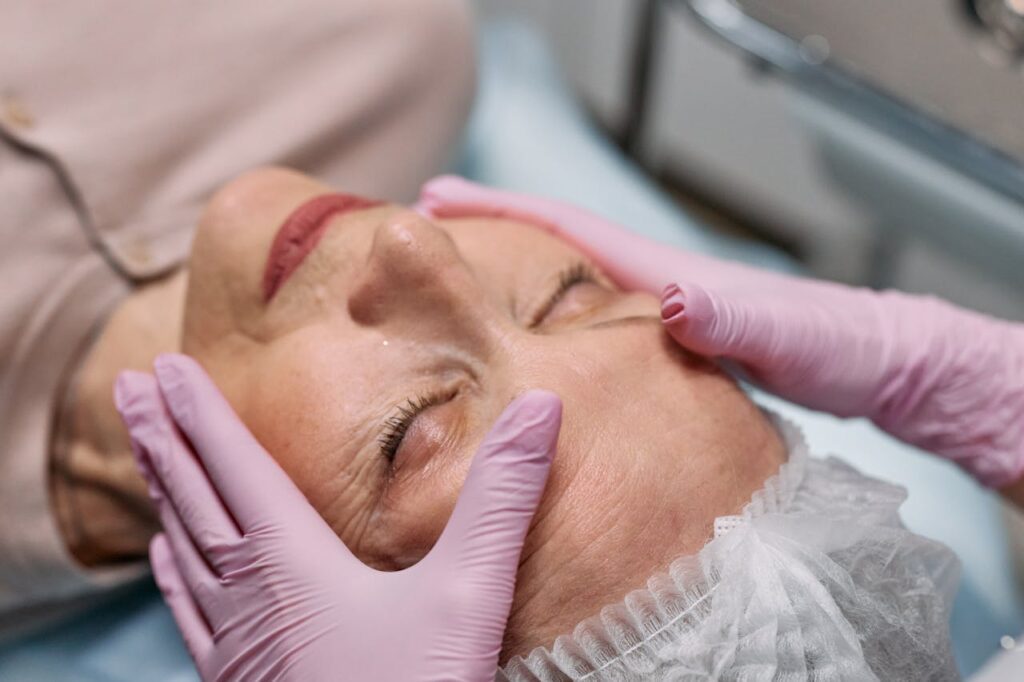
• Retinoids: Often considered the gold standard for stimulating collagen production and improving fine lines. With mature skin, they are best introduced gradually and paired with moisturizers to maintain tolerance.
• Vitamin C: A powerful antioxidant that helps neutralize free radicals, support collagen synthesis, and brighten uneven pigmentation.
• Ceramides and fatty acids: Essential lipids that reinforce the skin barrier and reduce moisture loss.
• Hyaluronic acid: A humectant that draws water into the skin, supporting hydration and temporary plumpness.
The philosophy gradually shifts from aggressive resurfacing to strategic support.
Skin in the 50s and Beyond: Structural Shifts and Hormonal Influence
After menopause, estrogen levels decline more significantly — and so do their protective effects on the skin.
Dermatologists often point out that estrogen plays a key role in maintaining collagen levels, skin thickness, and hydration. As hormone levels fall, collagen loss can accelerate, particularly during the early post-menopausal years. Skin may appear thinner, less firm, and more prone to dryness — all common changes associated with aging skin.
Healing also tends to slow. Minor injuries or irritation may take longer to resolve, and the skin may bruise more easily due to reduced structural support beneath the surface.
At this stage, skincare strategies often shift from correction toward nourishment and protection.
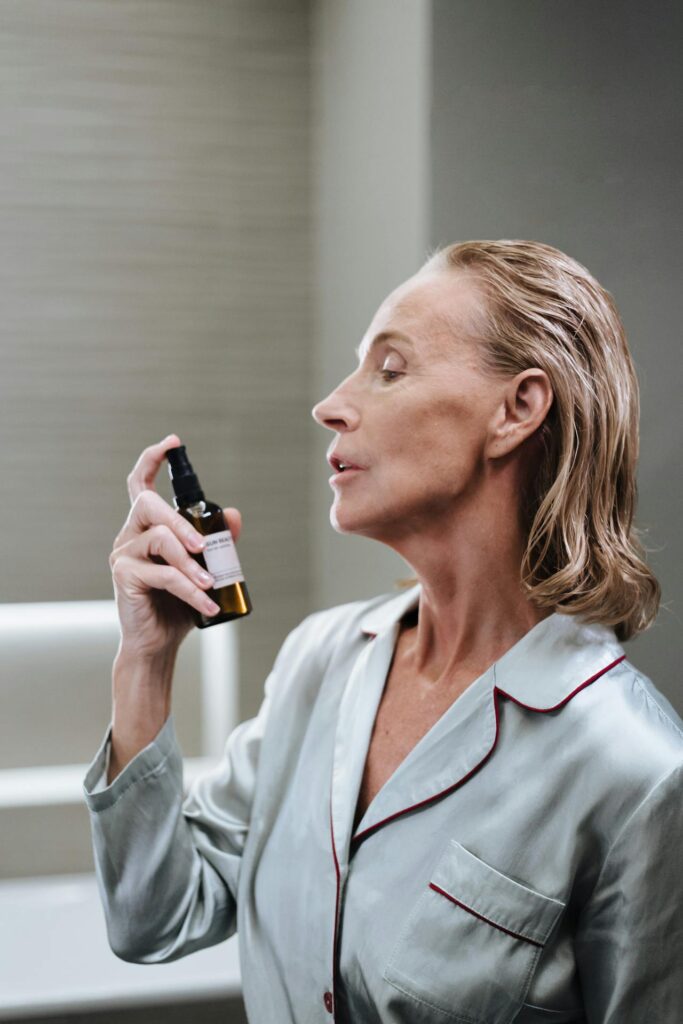
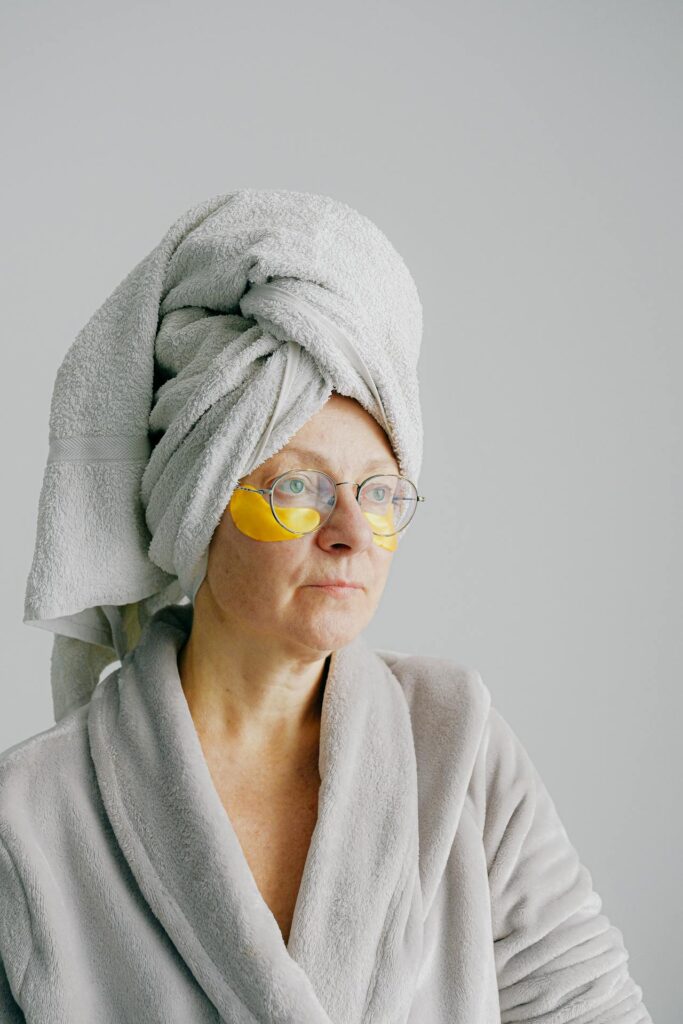
Cleansers should be gentle and non-stripping. Moisturizers may need to be richer, incorporating ingredients that replenish lipids and seal in hydration. Active ingredients can still provide benefits, but tolerance levels should guide how they are used.
Remember over-treatment becomes counterproductive. Supportive care becomes sophisticated care for aging skin.
The Often-Ignored Factors: Lifestyle and Skin Longevity
Topical skincare addresses only one part of skin aging. Internal factors influence the skin just as significantly.
Sleep supports cellular repair and regeneration. Chronic stress elevates cortisol, which can weaken the skin barrier and increase inflammation. Diets high in refined sugars contribute to glycation, a biochemical process in which sugar molecules bind to collagen fibers, making them stiff and less elastic over time.
Smoking increases oxidative stress and reduces blood circulation to the skin. Environmental pollution generates free radicals that accelerate collagen breakdown.
As we grow older, skin increasingly reflects systemic health. A radiant complexion at 55 is rarely the result of a single product. It reflects habits, hormonal balance, environmental exposure, and cumulative lifestyle choices.
A More Intelligent Goal
Perhaps the most important shift after 40 is psychological. The beauty industry often frames aging as something to reverse. Science frames it differently — as a process that can be managed thoughtfully.
Healthy skin at 45 will not look like skin at 25. Nor should it. But it can look resilient. Even-toned. Comfortable. Strong.
The approach should be to adopt a skincare regimen that supports the skin from its deeper layers to the surface. It is equally important to focus on small practices and treatments that work for you and remain consistent with them over time.
This could include a few simple but consistent habits such as:
• Daily sun protection
• Thoughtful collagen support
• Strengthening the skin barrier
• Understanding hormonal shifts
• Maintaining long-term consistency
Aging skin does not need urgency. It needs understanding.
When approached intelligently, skincare after 40 becomes less about chasing youth and more about maintaining integrity — structural, biological, and emotional.
And that is a far more sustainable form of beauty.