Mamta Wasan
Mamta Wasan
“Reclaiming Life After Loss: Healing, Purpose, and Second Chances“
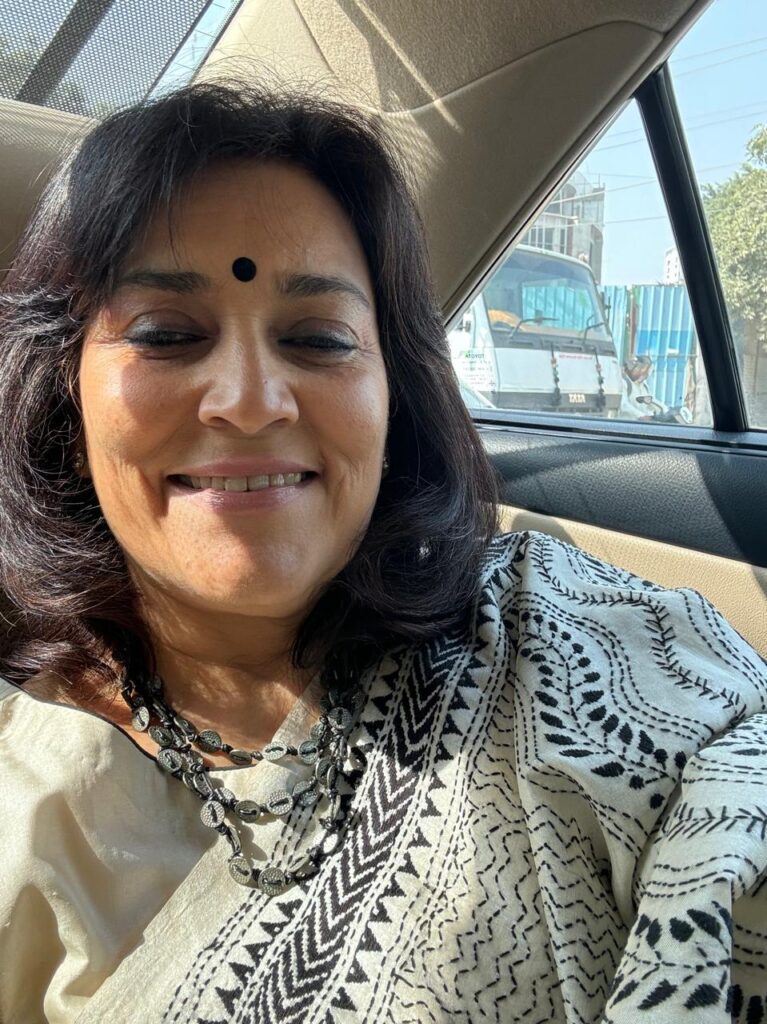
Some life stories aren’t told in chapters, but in seasons—each marked by unexpected turns, quiet strength, and the courage to begin again. This is one such story.
What began as a career in hospitality unfolded into a cross-industry leadership journey spanning decades. But it’s what came after—a personal loss, a pause, and a purposeful return—that truly defines Mamta Wasan today.
In this deeply personal conversation, Mamta speaks of love, loss, and legacy. On building from scratch, choosing presence over plans, and how healing—whether through Ayurveda, music, or human connection—can become a way of life. Read the full interview to understand the journey in her own words.
You may also like:
-
Tatwani Himalayan Hot Springs: A Women’s Trek That Sparked SisterhoodTatwani Himalayan Hot Springs: A Women’s Trek That Sparked Sisterhood
-
From Glamour to Grit: The Founder of Paw Saviour on Rescuing Cats and Rediscovering PurposeFrom Glamour to Grit: The Founder of Paw Saviour on Rescuing Cats and Rediscovering Purpose
-
Healing After Loss: Renowned Grief Therapist on Overcoming Grief and Finding PurposeHealing After Loss: Renowned Grief Therapist on Overcoming Grief and Finding Purpose
To begin, tell us a little about yourself—your background, your journey across industries, and what shaped you as a person.
My journey began in the hospitality sector with the Oberoi Group, where I also completed my post-graduation. Growing up in Mumbai, both the city and my alma mater, IMH Mumbai, instilled in me a strong sense of discipline and ambition.
Thanks to my father’s career as a flight engineer with Air India, I had the opportunity to travel extensively. That early exposure, along with a grounded upbringing, shaped my independent and curious outlook. As an only child, I often turned to books, music, and sports—tennis, swimming… These along with Indian classical music became important parts of my life.
I met my husband during my time at the Oberoi Group and we married young. We grew together—personally and professionally—and two years after our marriage welcomed our daughter.
Over time, I found myself drawn to Learning & Development, setting up a college, and working with the central industry body, FHRAI. As the industry shifted, I moved into training and development at General Electric in GECIS, and later to telecom with the Reliance Group. To consolidate my position in Human Resource, I also completed my Masters in Human Resources from IMT Ghaziabad and joined the world’s leading Fintech company, FIS. I had a wonderful stint of 14 years here where I helped scale the business from 4,500 to 25,000 employees—leading operations across India, the Philippines, and eventually pan-Asia.
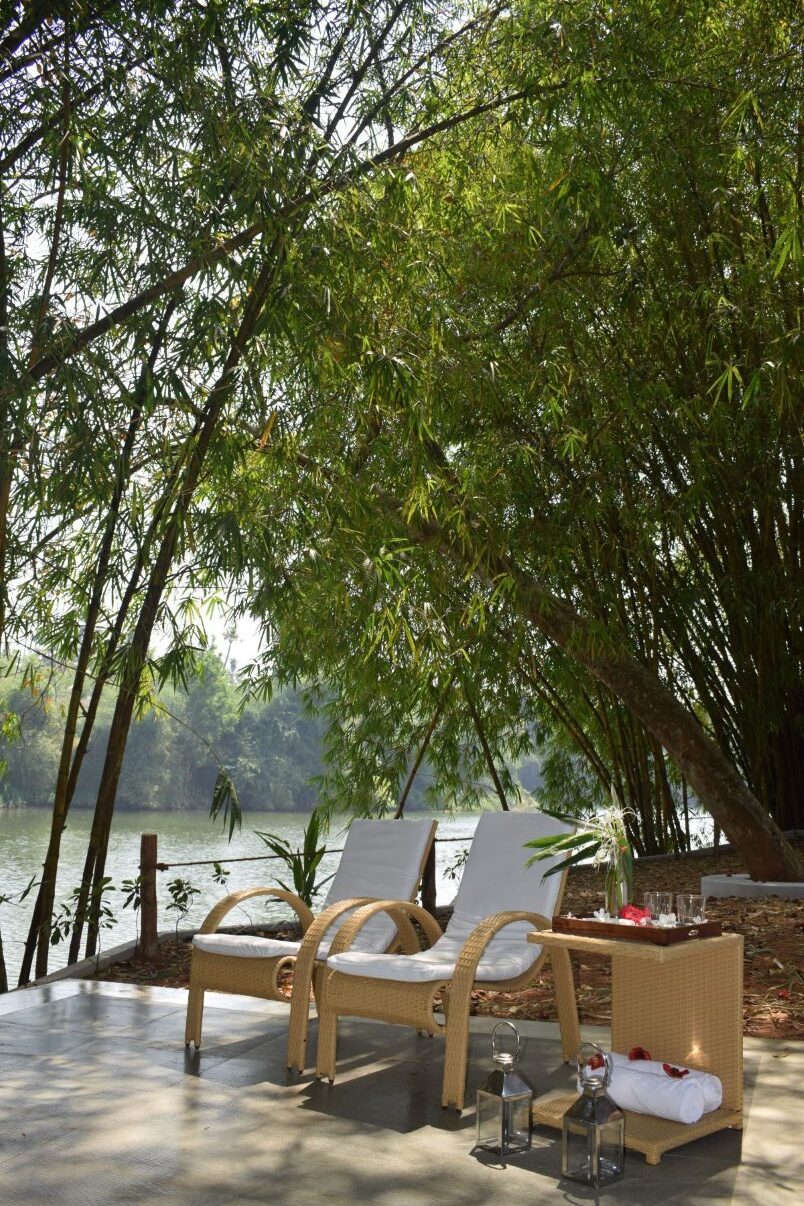
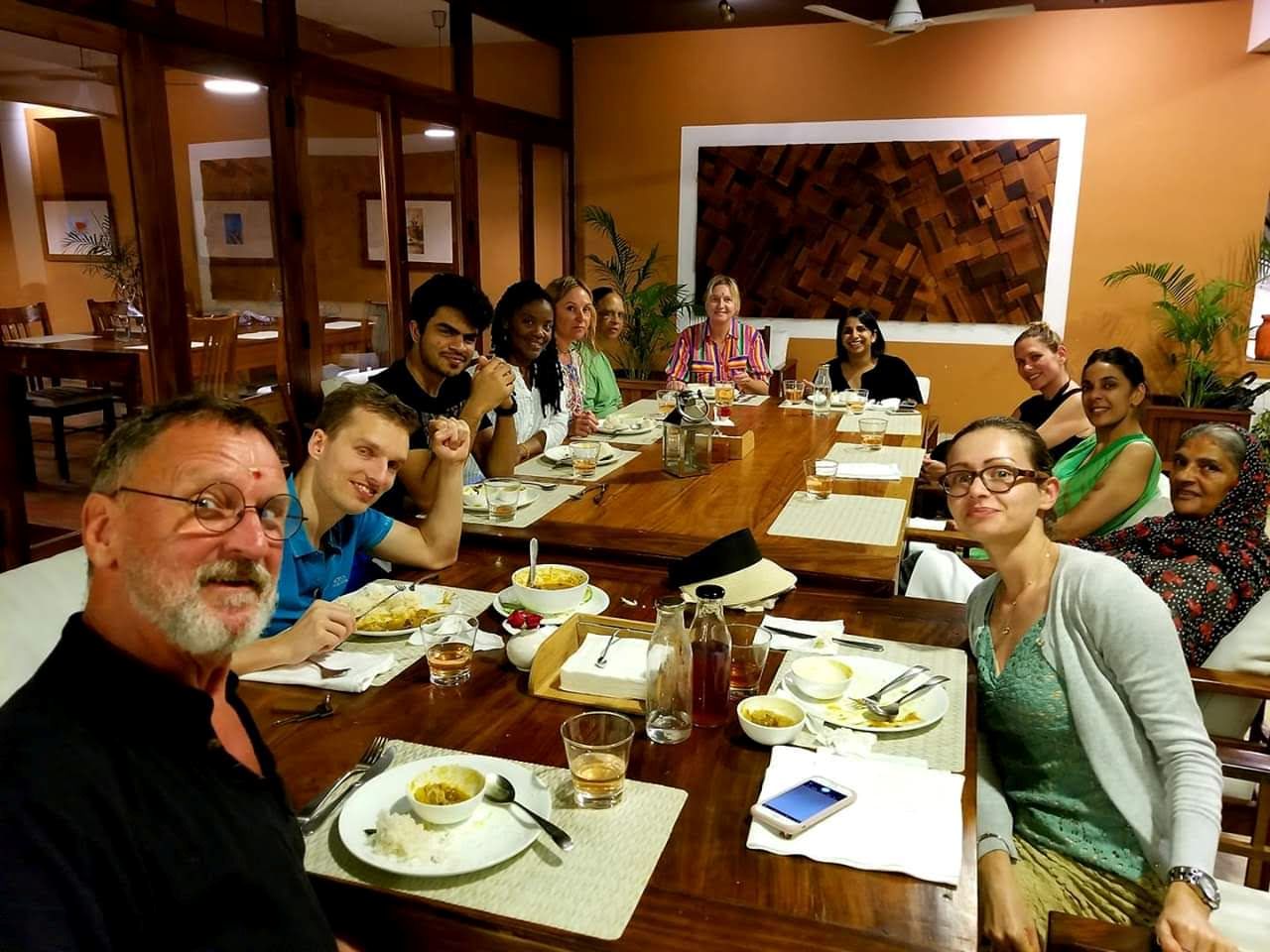
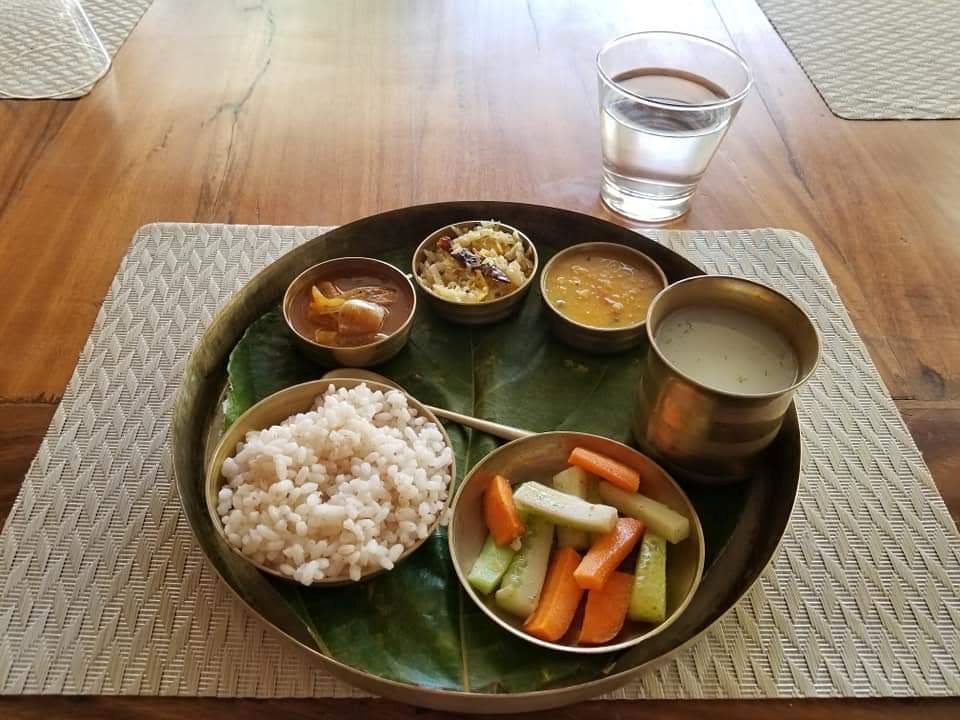
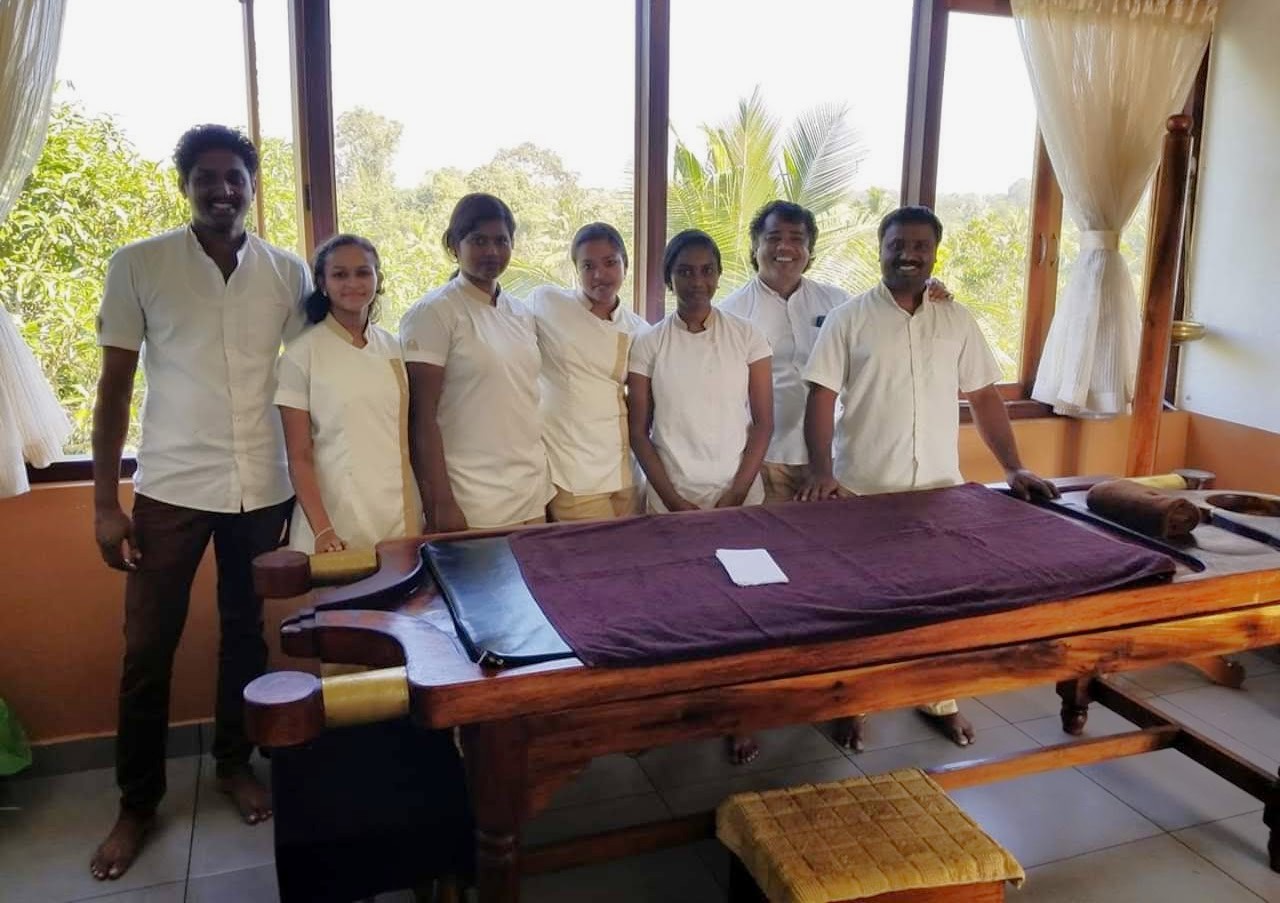
After 35 long years of work, I stepped away to support my husband in building our Ayurvedic wellness retreat, Mekosha. But when COVID hit, we lost both the business and, heartbreakingly, him. In time, I reopened Mekosha and now run it alongside my grief support work—both focused on healing, myself and others.
You’ve led demanding roles across industries—how did you balance work and personal life during those years?
With great difficulty. We moved homes and cities often, managed with limited finances, and had stricter work environments and less managerial support than today.
I had to draw strength from within. It led to physical tolls—like cervical issues and fatigue—but I managed.
Thankfully, my daughter was a happy child, and my husband was always supportive. Domestic help made a difference, and when needed, my mother or mother-in-law would step in.
It sounds like you had a close-knit and supportive family, especially your husband. How would you describe the partnership you shared—personally and professionally?
Professionally, we had our separate domains and respected them.
Personally, he filled a deep loneliness. We learned and grew with each other—often without realising it.
Our world was the three of us, and in hindsight, that was our greatest treasure.
The sudden loss of your husband during COVID must have been shattering. Can you take us back to that time—what changed in you, in your life, and in the world around you?
The world stopped. The ground vanished beneath my feet. I felt half-dead.
We had finally found the time and money to take trips together. We had even made a list. But life had other plans.
In that stillness, I found my heart, empathy, and resilience. I built a circle of soul companions—others navigating grief and healing.
I found my Guruji, the Bhagavad Gita, and reconnected deeply with music. I never questioned God. My bond with Lord Krishna only grew stronger—I knew He was with me, in darkness and light.
In addition to the emotional loss, you also faced a significant financial setback with Mekosha shutting down. How did you begin to cope with that dual crisis?
We had already scaled down operations, which helped. There were some reserves in the business, and I had my own savings from 35 years of work.
My daughter, who had worked briefly with my husband, helped me restart the retreat. That gave us both the confidence to carry forward his legacy.
Wellness is here to stay. In a world racing forward, practices like Ayurveda offer the stillness we need. Faith, hope, and healing perspective saw us through. After such a deep personal loss, financial setbacks seem easier to navigate.

What was your turning point—the moment you knew you couldn’t stay in the dark, that you had to rebuild your life from the ground up?
There wasn’t a sudden moment of clarity. I’ve always been action-oriented—when overwhelmed, I move. That helped me keep going.
Initially, the focus was on supporting my daughter through her grief, even as I managed my own. When she returned overseas, I shifted into practical mode—sorting documents, seeking help, evaluating options, and acting calmly.
To reopen the resort, I moved in with my 81-year-old mother for 75 days. I resumed work with Mekosha, reviewed my finances, and gradually returned to music—beginning with bhajans, which greatly supported my healing journey. I also started “Let’s Connect,” a grief support group for those who had lost a spouse—we still meet. Health became a focus too—walks, then yoga. Sleep remained elusive, and still does at times.
But somewhere near the three-year mark came a quiet resolve: this would not be a life cut off from the world. That was the moment I realized that rebuilding was not only survival—it was a form of healing.
You returned to Mekosha and also embraced spirituality during this period. How did both—entrepreneurship and inner healing—play a role in reclaiming your life?
I don’t see myself as an entrepreneur. I believe Mekosha is run by Lord Krishna and Ram.
Its purpose is to offer healing, support the team’s growth, sustain the property, and allow me to live comfortably.
Our repeat guests affirm we’re doing something right.
Spirituality and healing have been central. Entrepreneurship gave me flexibility, autonomy, and stability.
Both paths are about healing—of self and others.
After deciding to rebuild, what were the biggest challenges you faced restarting Mekosha, and how did you overcome them?
There were obstacles, but the path felt guided.
Krishna and Ram were with me. My daughter stood by me. In Mekosha, our spirits live on.
I discovered a softer, more compassionate version of myself. I’m still evolving—but I hope I’m becoming better each day.
Each new step feels like progress on the path of healing.
After navigating such profound personal and professional upheaval, how has your vision for the future evolved? What now guides the choices you make for yourself and the life you’re building ahead?
I try to stay present. The past holds lessons. The future is uncertain.
I pray for the strength to live by the Bhagavad Gita’s principles, and to find meaning in each moment—good or bad.
I no longer focus on saving. If something can ease someone’s pain or bring joy, I do it.
There’s more self-love now. Many people and responsibilities depend on me.
Once I accepted that my role is to give—not take—it brought peace, purpose, and healing.
If you could speak to a woman going through a similar personal loss, what would you tell her about holding on, moving forward, and finding herself again?
Grief never disappears—it’s a stone in your heart. The only way forward is to expand the heart so the stone feels lighter.
Time is the greatest healer, but active healing through community, faith, and self-care makes the journey gentler.
Reinvent yourself—you are what you have left.
We’ve always been alone; we just didn’t know it.
Everyone who enters your life now is an angel, here for as long as the lesson lasts. Accept the good and the bad with grace.
Take care of your health.
And never stop smiling—“If you look toward the sun, the shadows will fall behind you.”
The content and images are copyright. Reproduction is prohibited. Used on this website by permission from the interviewee/author.
Do you have an inspiring midlife story to share? Click on the button below or write to us at hello@yuo.net.in
Latest Post
Between busy schedules, tempting treats, and the allure of convenience foods, sticking to a healthy diet can be a challenge. Thankfully, healthier …
Grief rarely arrives the way we expect it.Most of us imagine it as recognisable sadness—tears, longing, a quiet emptiness. But grief is …
Conscious Eating isn’t About Trends Healthy eating in India today has evolved beyond calorie counting or following fad diets. Consumers are making …